


AI Ethics and Responsible AI: Shaping the Future of Technology
AI is transforming industries worldwide, but its rapid growth raises important ethical questions. Responsible AI focuses on transparency, fairness, privacy, and accountability to ensure technology benefits society without causing harm. By adopting ethical frameworks and collaborative governance, organizations can build trustworthy AI systems that support innovation while protecting human values.
Responsible AI and AI Ethics: Navigating the Future of Intelligent Technology
Artificial Intelligence (AI) is rapidly transforming industries such as healthcare, finance, transportation, and entertainment. While its potential is enormous, the increasing influence of AI also brings serious ethical considerations. Businesses, governments, and developers must ensure that AI technologies are built and deployed responsibly to avoid unintended consequences.
Responsible AI focuses on creating systems that are fair, transparent, and accountable. By prioritizing ethical practices, organizations can harness AI’s benefits while protecting individuals, society, and the environment.
What Is AI Ethics?
AI ethics refers to the moral principles and guidelines that shape the design, development, and use of artificial intelligence technologies. It ensures that AI systems operate responsibly and consider their impact on people and communities.
Why AI Ethics Matters
As AI becomes more integrated into daily life, several ethical concerns arise:
Privacy and Data Protection
AI systems rely heavily on large volumes of personal data. Strong privacy safeguards are essential to protect user information and prevent misuse.
Bias and Fairness
Algorithms trained on biased datasets may unintentionally reinforce discrimination. Ethical AI development focuses on identifying and reducing such biases.
Autonomy and Decision-Making
Advanced AI systems increasingly make automated decisions. Ensuring transparency and accountability in these decisions is crucial.
Workforce Impact
Automation powered by AI may replace certain job roles, making workforce reskilling and adaptation important priorities.
Responsible AI: Key Principles for Ethical Development
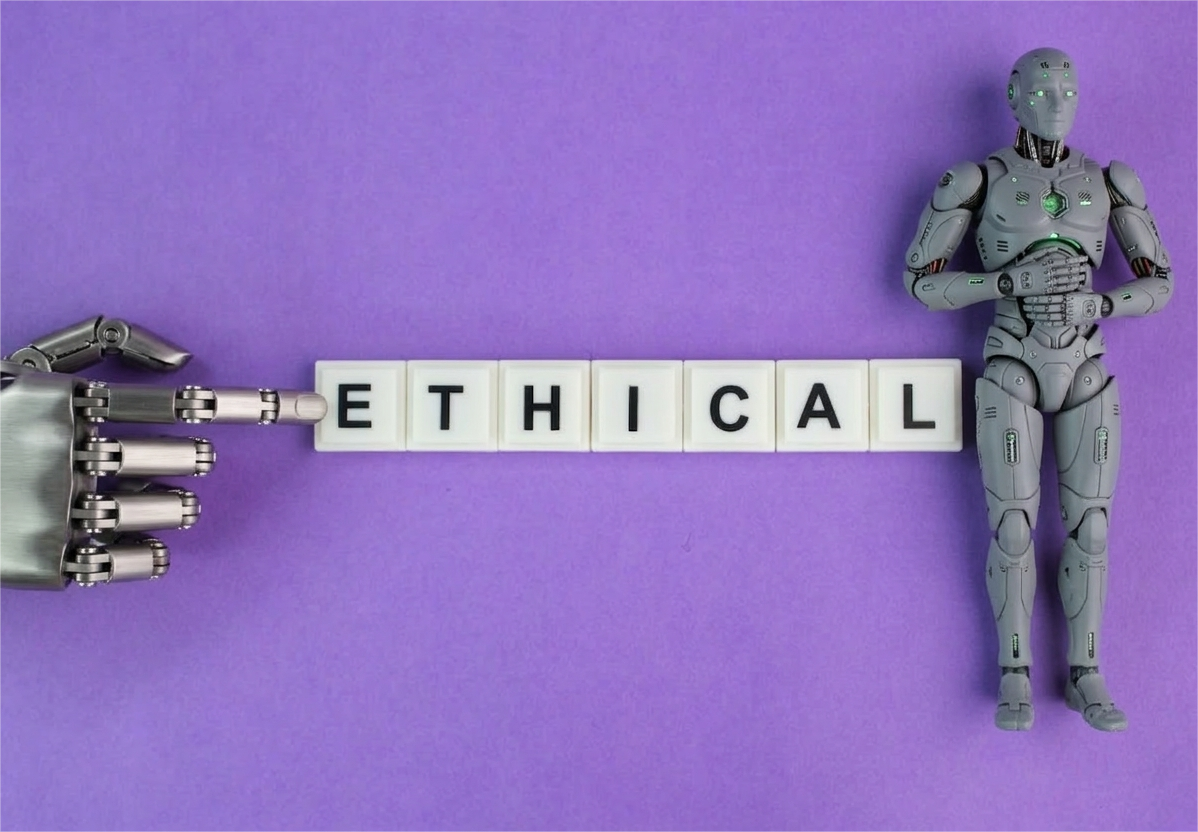
Responsible AI ensures that technology serves humanity while minimizing risks.
Transparency and Explainability
AI systems should be designed so users can understand how decisions are made. Transparent models help build trust and allow people to verify outcomes.
Accountability and Oversight
Developers, organizations, and stakeholders must take responsibility for AI outcomes. Establishing oversight systems ensures that AI tools operate ethically.
Bias Detection and Mitigation
AI teams should actively identify bias in datasets and algorithms. Diverse training data and regular testing help promote fairness.
Privacy by Design
Privacy considerations must be integrated from the start of AI development, ensuring data security and compliance with privacy standards.
Key Challenges in AI Ethics
Despite progress, several challenges remain in implementing responsible AI.
Black-Box AI Models
Many advanced AI systems, especially deep learning models, operate as “black boxes,” making it difficult to understand how they reach conclusions.
Data Security and Privacy Risks
The vast datasets required for AI can expose organizations to security breaches or misuse of personal information.
Algorithmic Bias
Addressing bias is complex because AI often reflects existing societal patterns found in training data.
Lack of Global Regulations
Currently, there is no universal global framework governing AI ethics, which can lead to inconsistent standards across industries and countries.
Building a Responsible AI Future
To ensure AI technologies are used responsibly, organizations must adopt long-term ethical strategies.
Cross-Industry Collaboration
Responsible AI requires cooperation among researchers, policymakers, legal experts, technologists, and business leaders.
AI Education and Literacy
Educating the public about AI capabilities and risks helps people understand how AI systems influence their lives.
Ethical Frameworks and Guidelines
Clear ethical frameworks provide guidance for organizations developing and deploying AI solutions.
AI Auditing and Certification
Independent audits and certification programs can help verify that AI systems comply with ethical standards.
Positive Applications of AI for Society

When developed responsibly, AI can drive powerful benefits across many sectors.
Healthcare
AI supports faster diagnostics, personalized treatments, and accelerated drug discovery, improving patient outcomes.
Environment and Sustainability
AI tools can analyze environmental data, monitor climate patterns, and optimize resource management.
Education
AI enables personalized learning experiences, adaptive tutoring systems, and wider access to educational resources.
Disaster Response and Humanitarian Aid
AI can predict natural disasters, coordinate emergency responses, and assist humanitarian efforts.
The Role of Governments and Organizations
Governments, institutions, and businesses all play a role in shaping responsible AI.
AI Ethics Committees
Organizations can establish ethics committees to review AI projects and ensure responsible practices.
Investment in Ethical AI Research
Funding research initiatives focused on fairness, transparency, and safety promotes responsible innovation.
Regulatory Frameworks
Clear policies and regulations help guide the ethical development and use of AI technologies.
Public-Private Partnerships
Collaboration between governments, businesses, and civil society helps accelerate responsible AI adoption.
Conclusion
Artificial Intelligence offers immense potential to improve industries, economies, and everyday life. However, its rapid advancement also requires careful attention to ethics and responsibility.
By prioritizing transparency, fairness, accountability, and collaboration, organizations can build AI systems that benefit society while protecting human values. Responsible AI development ensures that intelligent technology becomes a force for innovation, inclusivity, and social progress in the digital age.
Frequently Asked Questions
1. What is responsible AI?
Responsible AI refers to designing and using AI technologies in a way that is transparent, fair, accountable, and respectful of privacy and human rights.
2. Why is AI ethics important?
AI ethics ensures that AI systems do not harm individuals or society and that they operate fairly without bias or discrimination.
3. What are the biggest risks associated with AI?
Major risks include data privacy issues, algorithmic bias, lack of transparency in AI decisions, and potential job displacement due to automation.
4. How can companies ensure ethical AI development?
Organizations can adopt ethical guidelines, implement transparency in algorithms, audit AI systems regularly, and use diverse datasets to reduce bias.
5. Can AI benefit society?
Yes. Responsible AI can improve healthcare, education, environmental sustainability, disaster response, and many other areas.
6. Who is responsible for regulating AI?
Governments, international organizations, technology companies, and researchers share responsibility for establishing regulations and ethical frameworks.
7. Will AI replace human jobs completely?
AI will automate some tasks, but it will also create new opportunities and industries. Workforce reskilling and adaptation will be key.
Ready to Get Started?
Let's discuss how we can help you achieve your goals