


Artificial Intelligence in Web Design: Tools, Trends, and Best Practices for 2026
Artificial intelligence (AI) is redefining how websites are designed, built, and optimized. What was once limited to basic automation has evolved into advanced AI-driven systems that enhance creativity, personalize user experiences, and improve website performance. Today, AI plays a central role in modern web design—helping designers and businesses create faster, smarter, and more user-focused websites. This guide explores how AI is transforming web design and how you can integrate AI tools into your design workflow effectively.
How AI Is Used in Web Design
AI in web design goes beyond saving time. It enables data-driven decisions that improve usability, engagement, and conversion rates throughout the design process.
Data-Driven Design Decisions
One of AI’s greatest strengths is its ability to analyze large volumes of user data in real time. By tracking behavior such as clicks, scrolling patterns, and time on page, AI tools can identify what works—and what doesn’t.
These insights allow designers to refine layouts, improve navigation, and create interfaces that align with real user behavior rather than assumptions. The result is higher engagement and better overall performance.
Personalized User Experiences
Personalization has become an expectation, not a luxury. AI enables websites to dynamically adapt content, layout, and recommendations based on individual user behavior.
For example, eCommerce websites use AI to display products based on browsing history, preferences, and past purchases. According to McKinsey, 76% of users feel frustrated when websites don’t deliver personalized experiences—making AI-driven personalization critical for modern web design.
Automating Repetitive Design Tasks
AI helps eliminate time-consuming design tasks such as:
Resizing images for different devices
Creating responsive layouts
Generating design variations
Testing design elements in real time
AI-powered landing page builders and design assistants predict which elements are most likely to convert, reducing trial and error and improving efficiency without sacrificing quality.
Top AI Tools for Web Design
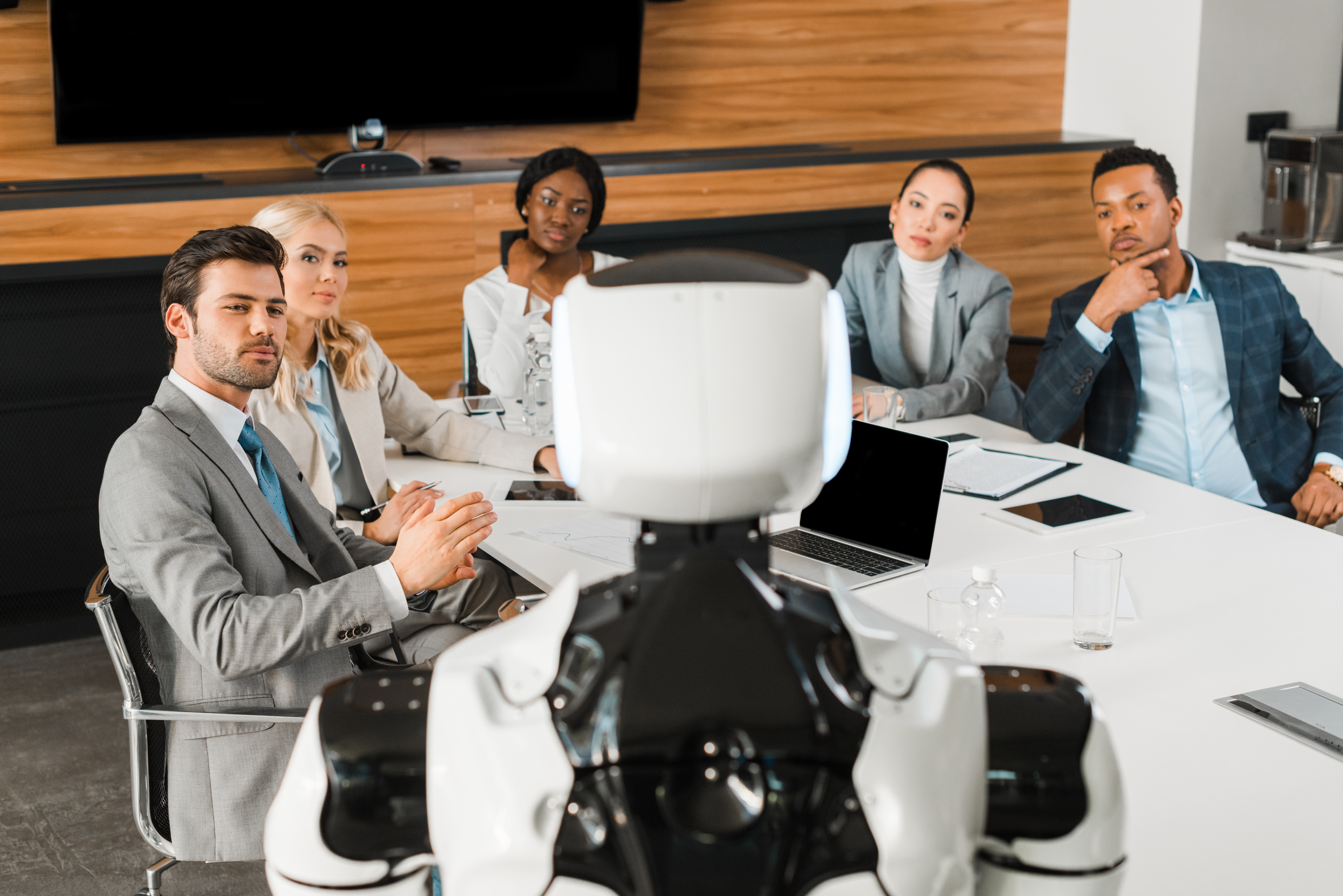
AI-powered tools are making professional web design faster and more accessible. Here are some of the most popular AI web design tools in use today:
Wix ADI
Wix ADI automatically generates website layouts and content based on user input. It’s ideal for beginners, offering built-in SEO features and easy customization with no coding required.
10Web
10Web is an AI-powered WordPress website builder that allows users to generate and manage professional sites quickly. It’s well-suited for businesses already using WordPress and looking to streamline development.
Hostinger AI Website Builder
Hostinger combines affordable hosting with an intuitive AI website builder. Its drag-and-drop interface and AI insights make it a practical option for small businesses and startups.
Unbounce
Unbounce focuses on high-converting landing pages. Its AI-driven optimization tools personalize content and test variations automatically, making it popular among marketers and conversion-focused teams.
Adobe Sensei
Adobe Sensei integrates AI across Adobe tools like Adobe XD and Photoshop. It automates tasks such as image editing, layout suggestions, and design optimization—helping designers work faster without sacrificing creativity.
AI-Driven Web Design Trends
Advanced Personalization
AI continues to push personalization further by adjusting content, design elements, and recommendations in real time. Brands using AI-driven personalization report higher engagement and conversion rates, with studies showing up to a 30% increase in conversions when AI is used effectively.
AI-Powered Testing and Optimization
AI is transforming traditional A/B testing by enabling real-time, multivariate testing. Designers and marketers can now test multiple layouts, headlines, and CTAs simultaneously—leading to faster insights and better results.
This shift has also fueled the rise of AI-focused agencies specializing in continuous optimization and performance-driven web design.
AI Content Generation
AI tools like ChatGPT and Jasper are widely used to generate website copy, landing page content, and even visual assets. While human review is still essential, AI significantly accelerates content production and scalability.
The key is maintaining brand voice and ensuring content aligns with user intent and business goals.
Human Designers vs. AI: Striking the Right Balance
AI enhances web design—but it doesn’t replace human creativity.
Creativity and Emotional Intelligence
AI can optimize design elements but cannot replicate human intuition, storytelling, or emotional connection. Designers bring cultural awareness, originality, and empathy—qualities that remain essential to impactful web design.
Problem-Solving and Innovation
AI excels at pattern recognition but struggles with unconventional challenges. Human designers are better equipped to respond to unique client needs, evolving requirements, and creative experimentation.
Collaboration and Client Communication
Web design is a collaborative process involving feedback, discussion, and interpretation. Human designers bridge the gap between client vision and execution—something AI tools cannot fully replicate.
Conclusion
AI is revolutionizing web design by streamlining workflows, improving personalization, and enhancing performance. However, the most successful websites combine AI-driven efficiency with human creativity and strategic thinking.
By embracing AI tools while preserving the human touch, designers can create websites that are not only faster and smarter—but also meaningful, engaging, and emotionally resonant.
Now is the time to explore AI-powered web design tools while recognizing the irreplaceable value of human designers.
FAQ: Artificial Intelligence in Web Design
What is AI in web design?
AI in web design uses machine learning and data analysis to automate tasks, personalize experiences, and optimize website performance.
How does AI improve user experience (UX)?
AI analyzes user behavior to personalize content, improve layouts, and deliver more relevant experiences.
Can AI replace web designers?
No. AI supports designers by automating tasks and providing insights, but creativity and problem-solving remain human-driven.
What are the best AI tools for web design?
Popular tools include Wix ADI, 10Web, Hostinger AI Builder, Unbounce, and Adobe Sensei.
Is AI web design suitable for small businesses?
Yes. Many AI web design tools are affordable, user-friendly, and ideal for small businesses and startups.
Ready to Get Started?
Let's discuss how we can help you achieve your goals