How AI Is Transforming Marketing Automation: Personalization, Optimization, and Smarter Campaigns
Marketing automation has long helped businesses streamline repetitive tasks, improve efficiency, and save time. From automated email campaigns to lead nurturing workflows, automation has reshaped how marketers operate. However, traditional automation has clear limitations—it relies heavily on predefined rules and static segmentation. This is where artificial intelligence (AI) is redefining marketing automation. AI-powered automation goes beyond simple task execution by learning from data, adapting in real time, and continuously optimizing performance. The result is smarter, more agile marketing that scales without sacrificing personalization or precision.
The Power of AI-Driven Personalization at Scale
One of the most impactful ways AI is transforming marketing automation is through advanced personalization. Traditional automation allowed basic personalization based on demographics such as age, location, or industry. AI enables hyper-personalization by analyzing behavioral, contextual, and real-time data.
AI can evaluate:
Browsing behavior
Purchase history
Engagement patterns
Social media interactions
Sentiment and intent signals
With these insights, marketers can deliver messaging that feels genuinely relevant to each individual. Personalized emails, dynamic website content, and tailored offers can all be delivered automatically—at scale.
Research consistently shows that personalization drives results. Consumers are far more likely to engage and convert when brands deliver experiences that reflect their preferences and needs. AI makes this level of personalization achievable without manual effort.
AI-Driven Campaign Optimization
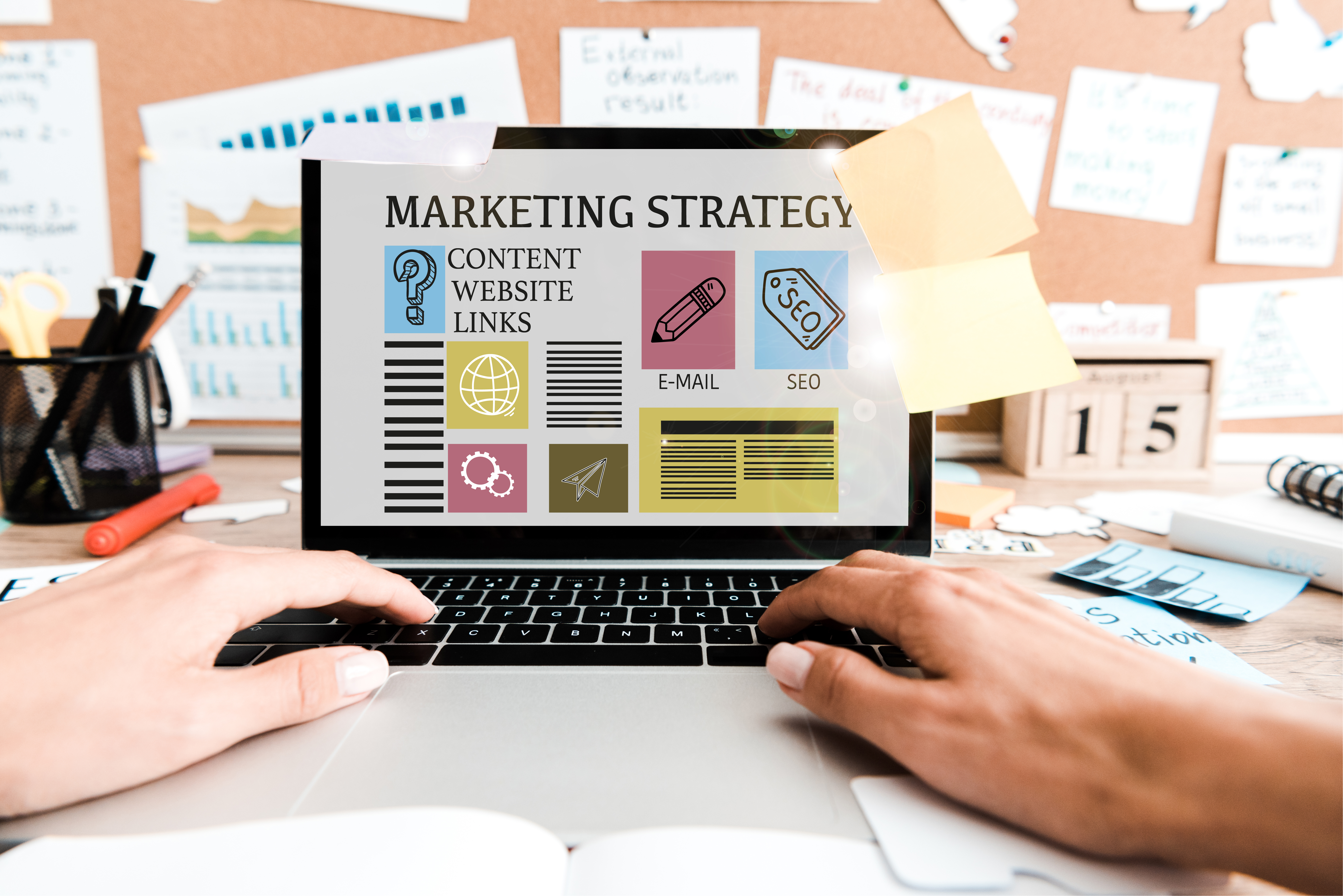
AI doesn’t just personalize content—it actively optimizes marketing campaigns in real time. Traditionally, campaign optimization required constant manual monitoring and adjustments to budgets, targeting, and creative elements. AI removes this friction.
AI-powered tools can:
Analyze performance across multiple channels
Identify high-performing audiences and creatives
Reallocate budgets automatically
Adjust bids, timing, and messaging in real time
For multi-channel campaigns spanning email, paid ads, and social media, AI ensures resources are continuously directed where they deliver the highest return. This leads to improved efficiency, stronger ROI, and reduced wasted spend—without constant human intervention.
Automating Tedious Marketing Tasks with AI
Beyond optimization, AI excels at automating time-consuming marketing tasks that traditionally drain resources. These include data entry, lead scoring, reporting, and content production.
AI-powered systems can automatically:
Score and prioritize leads based on conversion likelihood
Sync and clean marketing and CRM data
Generate performance insights and reports
Assist with content creation
In content marketing, AI uses natural language processing (NLP) and data insights to support SEO-friendly content creation. By analyzing top-performing content and competitive data, AI tools can help marketers create blog posts, landing pages, and email sequences aligned with search intent and audience preferences.
This level of automation doesn’t replace creativity—it amplifies it by freeing marketers to focus on strategy, storytelling, and innovation.
The Human Role in AI-Powered Marketing Automation
Despite concerns, AI is not replacing marketers—it is enhancing their impact. AI handles the heavy lifting: data analysis, optimization, and execution. Humans provide the creativity, emotional intelligence, and strategic thinking AI cannot replicate.
In the future of marketing automation:
AI manages data-driven execution and optimization
Marketers focus on strategy, brand storytelling, and customer relationships
Teams become more agile, creative, and customer-centric
AI transforms roles rather than eliminating them, enabling marketers to deliver better experiences and long-term value.
Conclusion
AI is redefining marketing automation by making it smarter, faster, and more personalized. From real-time campaign optimization to hyper-personalized customer journeys and intelligent task automation, AI empowers marketers to achieve more with less effort.
The most successful marketing teams will be those that combine AI-powered automation with human creativity and strategic insight. Together, they create scalable, efficient, and meaningful marketing experiences that drive growth and loyalty.
FAQ:
What is AI-powered marketing automation?
AI-powered marketing automation uses artificial intelligence to personalize content, optimize campaigns, and automate marketing tasks based on real-time data and learning.
How does AI improve personalization in marketing?
AI analyzes behavior, preferences, and intent signals to deliver highly personalized experiences across emails, ads, and websites at scale.
Can AI optimize marketing campaigns automatically?
Yes. AI continuously monitors performance and adjusts budgets, targeting, bids, and messaging in real time to maximize ROI.
Does AI replace marketers?
No. AI supports marketers by automating execution and analysis, allowing humans to focus on creativity, strategy, and customer relationships.
Is AI marketing automation worth it?
Yes. Businesses using AI-driven automation benefit from higher efficiency, better personalization, improved conversions, and stronger customer loyalty.
Ready to Get Started?
Let's discuss how we can help you achieve your goals