
How Is AI Used in Marketing Automation in the Real World?
Marketing campaigns no longer rely on guesswork. Companies that implement AI in marketing automation can identify high-intent customers, predict conversion probability, optimize ad spend, and personalize content in real time. According to McKinsey, businesses that integrate AI into marketing and sales reduce costs by up to 30% and accelerate execution by nearly 2x. AI-powered marketing automation is no longer experimental—it’s actively used by platforms like HubSpot, Salesforce, Amazon, and thousands of SaaS companies worldwide. AI for marketing automation doesn’t just improve efficiency. It fundamentally changes how marketing works by shifting from reactive reporting to predictive decision-making.
What Is AI in Marketing Automation?
AI in marketing automation refers to the use of machine learning, predictive analytics, and behavioral algorithms to:
Score and prioritize leads
Personalize content at scale
Optimize ad campaigns automatically
Predict customer lifetime value (LTV)
Forecast churn and expansion
Adjust campaigns in real time
Instead of manually testing campaigns and waiting for results, AI analyzes patterns instantly and optimizes performance continuously.
Lead Generation with AI: Smarter Qualification
Thousands of leads may enter your CRM—but which ones are ready to buy?
AI-powered lead scoring analyzes:
Website behavior
Email engagement
Pricing page visits
Time on site
Interaction velocity
Ad engagement
Platforms like HubSpot use AI-driven lead scoring to automatically prioritize high-probability prospects. This allows sales teams to focus on opportunities most likely to close instead of chasing cold leads.
AI models consider hundreds of behavioral signals simultaneously. What previously took days of manual analysis now happens in seconds.
Result:
Higher close rates
Shorter sales cycles
Better alignment between marketing and sales
AI Personalization at Scale
Modern customers expect relevant messaging. Generic campaigns no longer perform.
AI in marketing automation enables:
Dynamic email personalization
Behavior-based content recommendations
Real-time offer adjustments
Personalized subject lines and CTAs
Send-time optimization
Research from Campaign Monitor shows AI-optimized email campaigns increase open rates by 29% and click-through rates by 41%.
Instead of segmenting users into broad lists, AI adapts messaging for each individual based on real behavior.
The impact:
Higher engagement
Increased conversions
Stronger brand loyalty
Automated Content Creation & Optimization
AI doesn’t just distribute content—it improves it.
Modern AI systems can:
Generate ad copy variations
Test multiple headlines instantly
Analyze emotional tone
Optimize CTAs dynamically
Identify high-performing creative patterns
Platforms like Persado report AI-generated copy increasing CTR by up to 40% compared to traditional methods.
Instead of running A/B tests for weeks, AI systems test and optimize creative assets in hours.
This shifts marketing teams from content production bottlenecks to strategic decision-making.
Predictive Revenue Intelligence
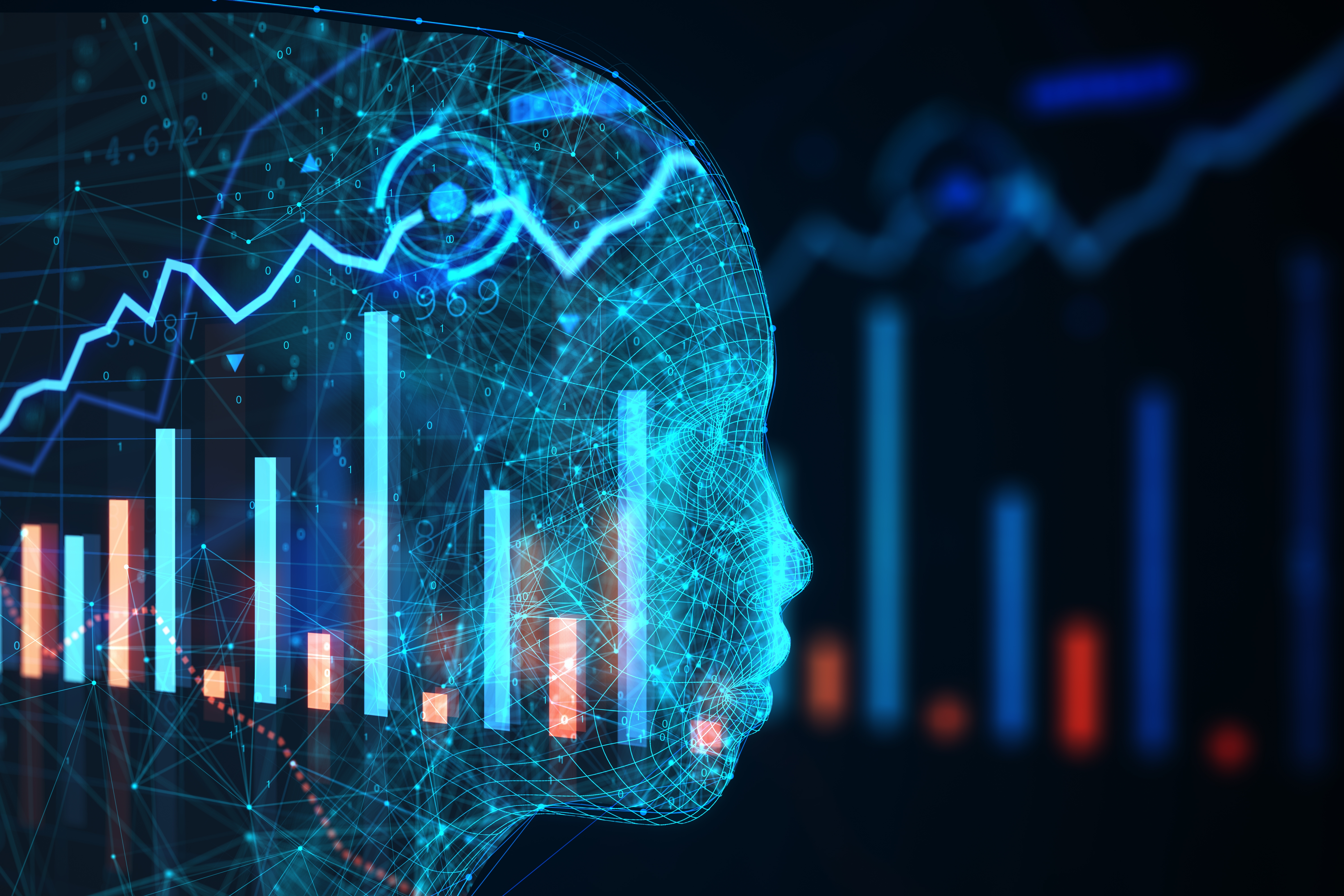
The real power of AI in marketing automation lies in forecasting.
Rather than asking, “What worked?” advanced AI systems ask, “What will drive revenue next?”
AI models analyze signals such as:
Engagement frequency
Buying intent spikes
Email sequence velocity
Feature adoption timing
Social interaction decay
Salesforce’s Einstein Analytics demonstrated improved forecast accuracy by more than 25% through predictive scoring.
This transforms marketing from performance tracking to revenue forecasting.
You stop reacting to reports—and start acting on predictions.
Adaptive Customer Journey Mapping
Traditional automation relies on fixed funnels. AI creates adaptive journeys.
AI-driven systems adjust:
Messaging sequences
Offers
Ad exposure
Channel mix
Tone of communication
Based on live intent signals.
If a prospect moves from research mode to buying mode, messaging changes instantly.
HubSpot has reported that intelligent automation reduces sales cycle length by 14% when behavioral triggers guide outreach timing.
Instead of rigid drip campaigns, AI builds dynamic flows that evolve with user behavior.
AI-Driven Ad Campaign Optimization
Manual ad testing wastes budget. AI optimizes campaigns in real time.
Platforms like Google Performance Max and Meta Advantage+ use machine learning to:
Redistribute budgets
Identify top-performing audiences
Select winning creatives
Adjust bids automatically
Research shows AI-optimized campaigns reduce customer acquisition cost (CAC) by 20–30%.
Rather than testing hypotheses manually, AI continuously reallocates spend toward highest-return segments.
AI Attribution & Revenue Measurement
Executives care about revenue—not clicks.
AI improves attribution by:
Running incrementality tests
Identifying true conversion lift
Modeling channel contribution
Forecasting spend efficiency
Google reports advertisers using data-driven attribution see an average 6% increase in conversions at the same cost.
When attribution models integrate with automation systems, budget decisions shift from reactive reporting to proactive investment.
AI Chatbots & Customer Engagement
Speed matters in conversion.
AI-powered chatbots:
Respond instantly
Qualify leads automatically
Provide personalized recommendations
Detect tone and intent
Route conversations to sales when needed
Drift research shows companies using AI chatbots improve lead conversion by 67%.
AI doesn’t just respond—it learns from every interaction to refine messaging and improve performance over time.
Email Marketing Automation with AI
Traditional email marketing relies on templates and static segmentation.
AI-driven email marketing:
Adapts subject lines dynamically
Optimizes send time per user
Personalizes offers
Predicts churn risk
Tests CTAs automatically
AI transforms email from bulk communication into a precision revenue channel.
Companies integrating AI into email marketing consistently report stronger engagement and higher sales performance.
Challenges of Implementing AI in Marketing Automation
While powerful, AI implementation requires preparation.
Common challenges include:
1. Data Quality
AI relies on clean, structured, complete data.
2. Change Management
Teams must adapt processes and trust AI-driven insights.
3. Privacy & Compliance
Regulations like GDPR and CCPA require transparent data handling.
4. Over-Reliance on Automation
Human oversight remains critical for creativity and strategy.
Organizations that combine AI efficiency with human strategy achieve the strongest results.
The Future of AI in Marketing Automation

AI is not a marketing trend—it is the foundation of modern automation.
In the coming years, the competitive question won’t be:
“Should we implement AI?”
It will be:
“Can we compete without it?”
Companies that adopt AI-driven marketing automation today gain:
Faster execution
Smarter budget allocation
Higher conversion rates
Improved retention
Stronger revenue forecasting
Those who delay risk falling behind competitors operating on predictive intelligence.
FAQ:
What is AI in marketing automation?
AI in marketing automation uses machine learning and predictive analytics to automate, optimize, and personalize marketing campaigns in real time.
How does AI improve lead generation?
AI analyzes behavioral and demographic data to score leads based on conversion probability, allowing teams to prioritize high-intent prospects.
Can AI reduce marketing costs?
Yes. Research shows AI-driven automation can reduce costs by up to 30% through improved targeting and budget optimization.
How does AI personalize email marketing?
AI adjusts subject lines, content, offers, and send times based on individual user behavior to increase engagement and conversions.
What is predictive marketing automation?
Predictive marketing automation uses AI models to forecast customer behavior, revenue impact, and churn before outcomes occur.
Is AI marketing automation suitable for small businesses?
Yes. Many AI-powered tools are scalable and help small businesses improve efficiency without expanding team size.
What are the risks of AI in marketing automation?
Key risks include poor data quality, compliance issues, and over-reliance on automation without human oversight.
How do I start implementing AI in marketing automation?
Begin with lead scoring, email optimization, or ad budget automation. Ensure clean data and integrate AI tools gradually into existing workflows.
Ready to Get Started?
Let's discuss how we can help you achieve your goals