How Predictive Audience Segmentation is Transforming Digital Marketing in 2026
Predictive audience segmentation is redefining digital marketing in 2026 by enabling businesses to anticipate customer behavior using AI and data analytics. This approach allows brands to deliver highly personalized, real-time experiences, improve conversion rates, and maximize marketing ROI. In this blog, we explore how predictive segmentation works, its key benefits, and why it has become essential for modern marketing strategies.
Digital marketing in 2026 is no longer about reaching the largest audience—it’s about reaching the right audience at the right moment with precision. As artificial intelligence (AI) becomes deeply embedded in marketing ecosystems, predictive audience segmentation is emerging as a game-changing strategy.
Instead of relying on static demographics or assumptions, businesses are now leveraging predictive models to anticipate user behavior, intent, and future actions. This shift is transforming how brands engage, convert, and retain customers in a highly competitive, privacy-first digital landscape.
What is Predictive Audience Segmentation?
Predictive audience segmentation uses AI, machine learning, and data analytics to categorize users based on their likelihood to take specific actions—such as making a purchase, engaging with content, or abandoning a cart.
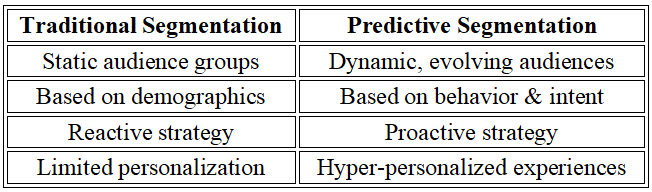
Unlike traditional segmentation (age, gender, location), predictive segmentation analyzes:
Behavioral patterns
Historical interactions
Purchase intent signals
Real-time engagement data
This allows marketers to move from reactive targeting to proactive engagement.
According to recent industry insights, modern segmentation strategies now combine multiple data sources and AI-driven insights, significantly improving campaign performance and personalization.
Why Predictive Segmentation Matters in 2026
1. AI-Driven Marketing is Now the Standard
AI is no longer experimental—it’s the backbone of digital marketing. Businesses are integrating AI across workflows, from content creation to audience modeling and campaign optimization.
Predictive segmentation plays a critical role by enabling:
Smarter targeting
Automated decision-making
Real-time personalization
2. The Shift to Privacy-First Data
With the decline of third-party cookies, brands must rely on first-party and consented data. Predictive models help fill the gaps by identifying patterns and forecasting behavior without invasive tracking.
3. Hyper-Personalization is Expected
Consumers in 2026 expect highly relevant, personalized experiences across every touchpoint. Predictive segmentation enables brands to deliver tailored messaging based on real-time intent, not assumptions.
How Predictive Audience Segmentation Works
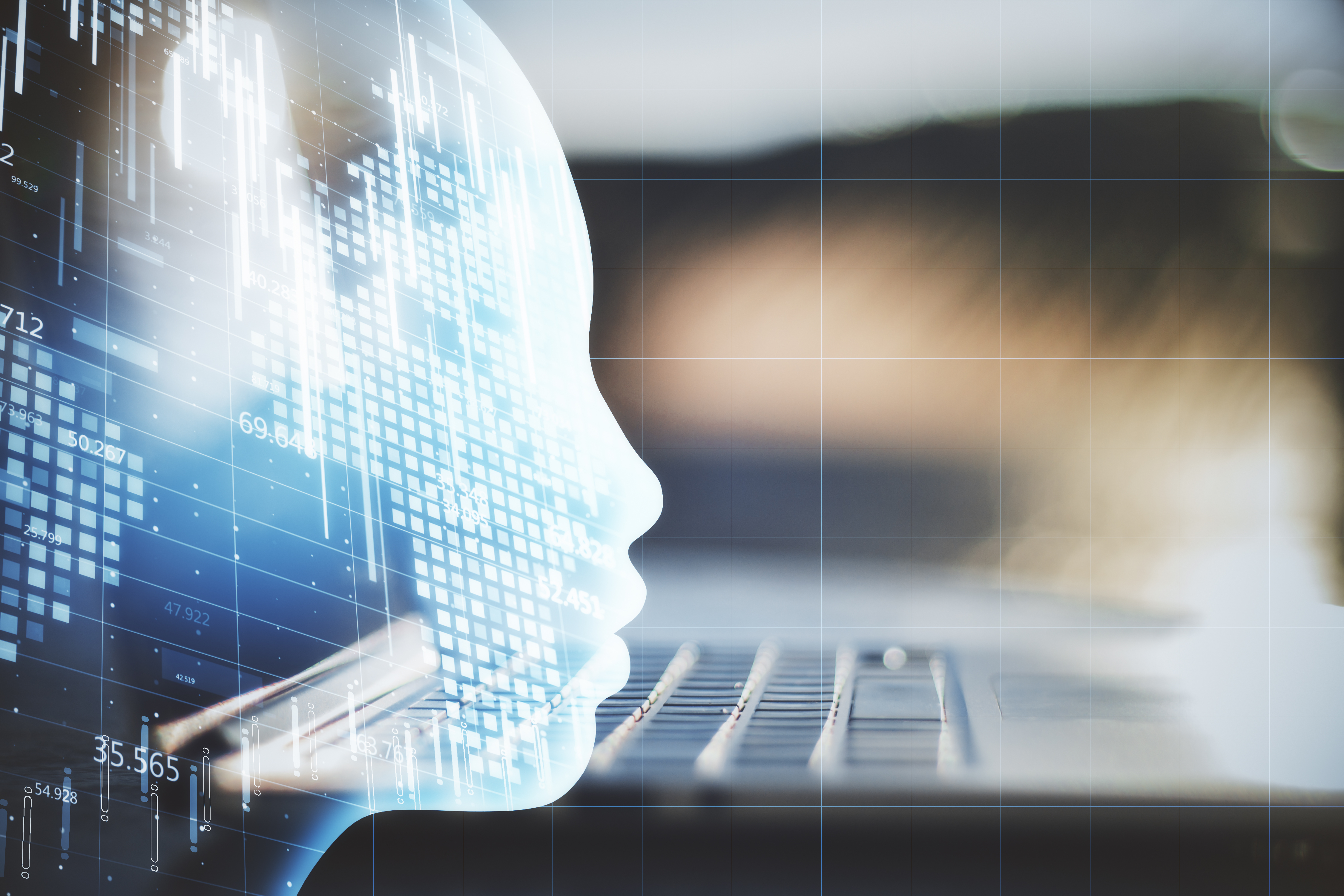
Step 1: Data Collection & Integration
Data is gathered from multiple sources:
Website interactions
CRM systems
Social media
Transaction history
Step 2: AI & Machine Learning Modeling
AI algorithms analyze patterns and assign probabilities to user behaviors (e.g., likelihood to convert, churn, or engage).
Step 3: Dynamic Audience Creation
Instead of static segments, audiences are continuously updated based on real-time data.
Step 4: Personalized Campaign Execution
Marketers deliver:
Customized ads
Personalized emails
Dynamic website experiences
Key Benefits for Businesses
1. Higher Conversion Rates
Targeting users with high intent leads to more efficient campaigns and better ROI.
2. Improved Customer Experience
Users receive relevant content, reducing friction in the buyer journey.
3. Smarter Budget Allocation
Marketing spend is focused on audiences most likely to convert.
4. Real-Time Optimization
Campaigns adjust automatically based on performance and user behavior.
Predictive Segmentation vs Traditional Segmentation
Real-World Applications in 2026
Predictive audience segmentation is being used across industries:
E-commerce: Recommending products based on predicted preferences
B2B Marketing: Identifying high-value leads before competitors
Healthcare: Predicting patient engagement patterns
Finance: Personalizing financial product offerings
In advanced systems, predictive models even guide creative decisions and messaging variations in real time, improving overall campaign effectiveness.
Challenges to Consider
While powerful, predictive segmentation requires:
High-quality, clean data
Strong data governance and privacy compliance
Skilled implementation of AI models
Human oversight to ensure brand alignment
Experts emphasize that AI should enhance—not replace—human strategy and creativity.
The Future of Digital Marketing with Predictive Segmentation
The future is moving toward fully automated, intent-driven marketing ecosystems, where:
AI predicts customer journeys before they happen
Campaigns self-optimize in real time
Personalization becomes seamless across channels
In this environment, predictive segmentation is not just a tool—it’s the foundation of modern marketing strategy.
How Agenoria Can Help
At Agenoria, we help businesses harness the power of predictive audience segmentation to:
Build data-driven marketing strategies
Implement AI-powered targeting systems
Optimize campaigns for maximum ROI
Deliver personalized customer experiences at scale
Whether you're a startup or an enterprise, predictive segmentation can unlock your next stage of growth.
Frequently Asked Questions
1. What is predictive audience segmentation in simple terms?
It’s a method of using AI and data to predict what customers will do next, allowing businesses to target them more effectively.
2. How is predictive segmentation different from traditional segmentation?
Traditional segmentation uses static data like age or location, while predictive segmentation uses behavior and AI to forecast future actions.
3. Is predictive segmentation suitable for small businesses?
Yes. With modern tools, even small businesses can access AI-driven insights and improve their targeting strategies.
4. Does predictive segmentation comply with privacy regulations?
Yes, when implemented correctly using first-party and consented data, it aligns with modern privacy standards.
5. What tools are used for predictive audience segmentation?
Common tools include CRM platforms, AI analytics tools, customer data platforms (CDPs), and marketing automation systems.
6. How quickly can businesses see results?
Many businesses see improvements in engagement and conversion rates within a few weeks of implementation, depending on data quality and strategy.
Ready to Get Started?
Let's discuss how we can help you achieve your goals