How to Align SEO and SEM with the Customer Journey for Higher Conversions and ROI
In today’s competitive digital landscape, driving traffic alone isn’t enough. To generate consistent leads and revenue, your SEO (Search Engine Optimisation) and SEM (Search Engine Marketing) strategies must align with the full customer journey — from first search to final purchase and beyond. When SEO and SEM work together at every stage of the funnel, businesses see higher conversion rates, improved customer experience, and stronger marketing ROI.
Understanding the Modern Customer Journey
The traditional sales funnel has evolved. Today’s buyers research extensively, compare options, and interact with multiple touchpoints before converting. A well-aligned search strategy supports five key stages:
1. Awareness Stage
Users recognise a problem but are not yet searching for a specific solution. They use informational, broad queries.
Examples:
“Why is my website not getting traffic?”
“How to generate more online leads”
SEO Focus:
Educational blog content, pillar pages, guides, and thought leadership.
SEM Focus:
Broad match campaigns, educational landing pages, and awareness-focused display ads.
2. Consideration Stage
Prospects actively research solutions and compare approaches.
Examples:
“Best SEO agency for small business”
“SEO vs Google Ads ROI comparison”
SEO Focus:
Comparison articles, service pages, case studies, FAQs, solution-focused content.
SEM Focus:
Targeted keyword campaigns, competitor bidding, retargeting campaigns.
3. Decision Stage
Users are ready to purchase and evaluating specific providers.
Examples:
“SEO agency pricing”
“Book Google Ads consultation”
SEO Focus:
Optimized service pages, testimonials, pricing pages, conversion-optimised landing pages.
SEM Focus:
High-intent keyword bidding, branded campaigns, call extensions, conversion-focused ads.
4. Purchase Stage
The transaction happens — but experience matters.
SEO & SEM Focus:
Clear CTAs, frictionless UX, fast load speeds, transparent pricing, trust signals.
5. Advocacy Stage
Satisfied customers drive referrals and repeat business.
SEO & SEM Focus:
Email marketing, remarketing campaigns, loyalty content, referral programs, review generation.
Mapping Keywords to Customer Intent
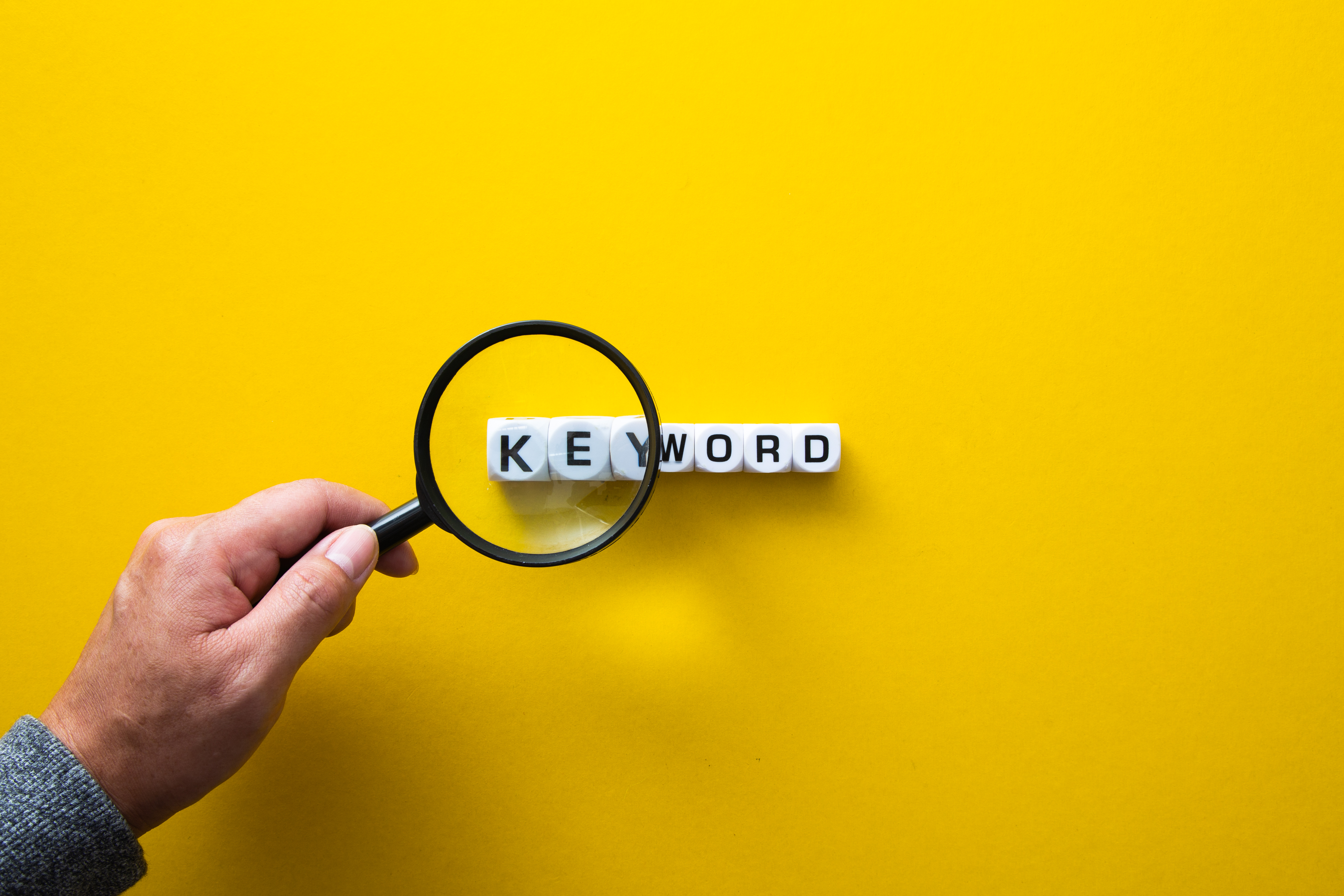
The foundation of aligning SEO and SEM with the customer journey is intent-driven keyword research.
Rather than focusing only on search volume, categorise keywords based on:
Informational intent (Awareness)
Commercial investigation (Consideration)
Transactional intent (Decision)
Navigational/Branded intent (Decision & Purchase)
Why This Matters for SEO
Organic content should match the intent behind the query. Educational blog posts for awareness. Comparison content for consideration. Conversion pages for decision-stage searches.
Why This Matters for SEM
Paid search allows you to:
Aggressively target high-intent keywords
Test conversion messaging quickly
Gather real-time data on what converts
SEM data can then inform long-term SEO prioritisation.
How SEO and SEM Work Together Across the Funnel
The strongest digital strategies treat SEO and SEM as complementary, not competing.
Use SEM to Inform SEO
Paid campaigns provide immediate data on:
Conversion rates
Keyword profitability
Search intent accuracy
High-performing paid keywords should become SEO priorities.
Use SEO to Improve SEM Performance
Organic insights reveal:
Content that drives engagement
Messaging that resonates
Pages with high dwell time
These insights improve ad copy, landing page structure, and Quality Scores.
Content Strategy Aligned to the Journey
Each piece of content should intentionally move users to the next stage.
Awareness Content
Blog posts
Educational guides
Industry reports
Problem-based articles
Goal: Build trust and authority.
Consideration Content
Comparison guides
Case studies
Webinars
ROI calculators
Goal: Help users evaluate solutions.
Decision Content
Testimonials
Pricing pages
Service breakdowns
Free trials or consultations
Goal: Remove friction and convert.
Technical Integration for Better Results
Alignment also requires strong tracking and data integration.
Implement:
Multi-channel attribution modelling
Conversion tracking across organic and paid channels
Consistent messaging across SEO and SEM touchpoints
Structured data markup for improved SERP visibility
Retargeting based on journey stage behaviour
When tracking is unified, you can see how organic and paid search assist each other rather than viewing them in silos.
Measuring Success Across the Customer Journey
Different stages require different KPIs.
Awareness Metrics
Organic traffic growth
Impressions
Engagement rate
Brand search volume
Consideration Metrics
Pages per session
Content downloads
Email signups
Time on site
Decision & Purchase Metrics
Conversion rate
Cost per acquisition (CPA)
Customer acquisition cost (CAC)
Return on ad spend (ROAS)
Understanding assisted conversions is critical. Often SEO initiates the journey while SEM closes it.
Advanced Optimization Strategies

Once your foundation is strong, refine your approach with:
Dynamic remarketing based on journey stage
Personalized landing pages by keyword intent
Progressive data capture (gradual form profiling)
Audience segmentation for paid campaigns
AI-driven bidding strategies combined with organic authority building
The goal is seamless progression from first click to loyal advocate.
Why Aligning SEO and SEM with the Customer Journey Matters
Businesses that integrate search marketing around real buyer behaviour:
Reduce wasted ad spend
Improve conversion rates
Lower customer acquisition costs
Increase lifetime value
Strengthen brand authority
Search marketing success doesn’t come from isolated tactics. It comes from orchestrating SEO and SEM to guide customers naturally through their decision-making process.
Frequently Asked Questions (FAQ)
1. What is the difference between SEO and SEM?
SEO (Search Engine Optimisation) focuses on improving organic rankings through content, technical optimisation, and backlinks. SEM (Search Engine Marketing) typically refers to paid search advertising, such as Google Ads, where you pay for visibility in search results.
2. Why is aligning SEO and SEM important?
When aligned, SEO and SEM create a cohesive strategy that supports users at every stage of the customer journey, improving conversion rates and maximising ROI.
3. How do I map keywords to the customer journey?
Group keywords based on intent:
Informational = Awareness
Comparison-based = Consideration
Transactional = Decision
Branded = Decision/Purchase
Use keyword research tools and paid search data to categorise effectively.
4. Should SEO or SEM come first?
It depends on your goals. SEM delivers faster short-term results, while SEO builds long-term authority. Ideally, both should run together for immediate performance and sustainable growth.
5. How can I measure SEO and SEM performance together?
Use multi-channel attribution models in analytics platforms. Track assisted conversions, not just last-click results, to understand how both channels contribute to sales.
6. Can SEO reduce paid advertising costs?
Yes. Strong organic rankings for high-intent keywords can reduce reliance on paid ads, lowering overall customer acquisition costs while maintaining visibility.
Ready to Get Started?
Let's discuss how we can help you achieve your goals