How to Build a Winning Digital Marketing Strategy for Small Businesses in 2026
A strong digital marketing strategy is no longer optional for small businesses—it’s essential. In 2026, competition online is fiercer than ever, and businesses without a clear plan risk getting buried beneath more strategic competitors. Whether you’re a tech-savvy entrepreneur or a business owner still getting comfortable with digital tools, this guide will walk you through how to build an effective, results-driven digital marketing strategy with confidence.
1. Strategy: The Foundation of Digital Marketing Success
Every successful digital marketing plan starts with a clear strategy. Think of your strategy as the blueprint that guides every online decision—from content creation to advertising spend.
Business Goals
Your business plan forms the backbone of your digital strategy. Define clear, measurable objectives such as increasing revenue, generating leads, or expanding brand awareness.
Instead of vague goals like “get more customers,” aim for specifics such as:
Increase online sales by 20% within six months.
Clear goals make it easier to track progress and optimize performance.
Target Audience
Understanding your target audience is critical to digital marketing success. Identify who your ideal customers are, how they behave online, and what problems they need solved.
Are you targeting tech-savvy millennials or local business owners who prefer simple, practical solutions? The more precise your audience insights, the more effective your messaging will be.
Offer Creation
Your offers should directly address your audience’s needs and motivations. Limited-time promotions, bundled services, or exclusive discounts can drive urgency and conversions.
For example, a local bakery offering a monthly “Buy One, Get One Free” deal promoted through social media and email can significantly increase foot traffic and brand loyalty.
Want help building a stronger business plan? Explore our in-depth guide to strategic business planning.
2. Website: Your Digital Storefront in 2026
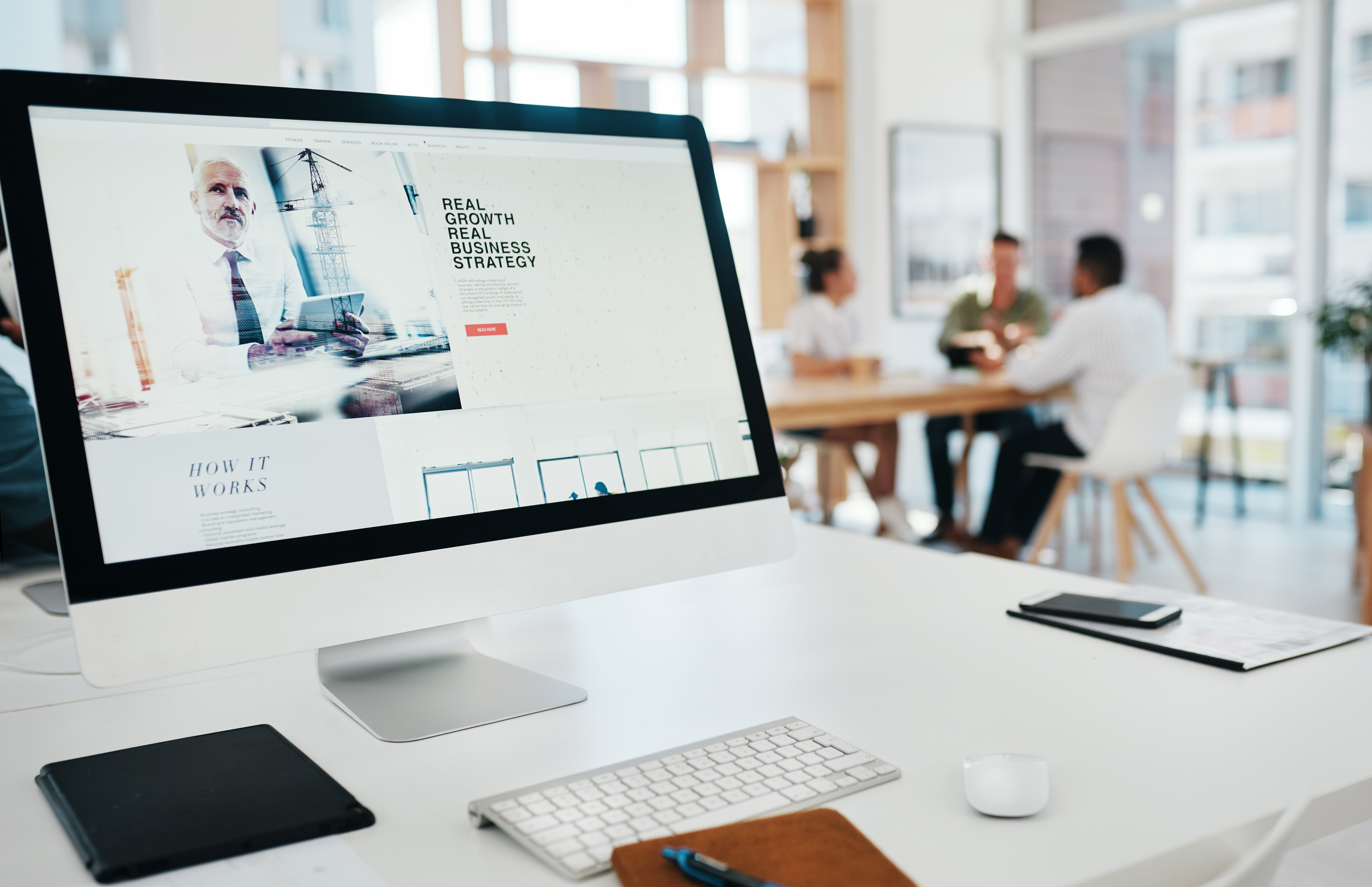
Your website is often the first interaction customers have with your business. A slow, outdated, or confusing site can cost you leads instantly.
User-Friendly & Mobile-Optimized Design
In 2026, mobile-first design is non-negotiable. Your website must load quickly, display properly on all devices, and be easy to navigate.
Google prioritizes mobile-friendly websites, so a clean, responsive design improves both user experience and SEO rankings.
High-Quality, SEO-Driven Content
Content remains one of the most powerful digital marketing tools. Blogs, landing pages, videos, and product descriptions should be informative, keyword-optimized, and easy to understand.
Publishing content such as “Top Digital Marketing Trends for Small Businesses in 2026” helps establish authority while targeting valuable search terms like:
l digital marketing strategy
l small business marketing 2026
Need help upgrading your website? Visit our Website Design Services page to learn more.
3. CRM Automation: A Powerful Growth Tool
Customer Relationship Management (CRM) automation allows small businesses to work smarter—not harder—by managing leads, customers, and follow-ups efficiently.
Email Marketing Automation
Email marketing remains one of the highest-ROI digital channels. CRM automation allows you to segment audiences and send personalized emails based on behavior, interests, and purchase history—boosting open rates and conversions.
SMS Marketing
SMS marketing delivers fast, direct communication. Appointment reminders, flash sales, and time-sensitive offers perform exceptionally well when messages are concise and personalized.
Sales Pipeline Management
CRM systems track every stage of the customer journey, helping you identify when to follow up, nurture leads, or close deals—ensuring no opportunity slips through the cracks.
Learn more about CRM automation by visiting our CRM Services page.
4. SEO: How Customers Find You Online
Search Engine Optimization (SEO) is essential for long-term visibility and growth. In 2026, effective SEO combines technical performance, content quality, and brand authority.
On-Page SEO
Optimize your website’s structure, speed, security, and content. Use keywords naturally, improve page load times, and write compelling meta titles and descriptions.
Long-tail keywords such as “best digital marketing strategy for small businesses 2026” may attract less traffic but often convert better.
Off-Page SEO
Off-page SEO focuses on building authority through backlinks, online reviews, social media mentions, and directory listings. These signals tell search engines that your business is credible and trustworthy.
For a full breakdown, explore our Complete SEO Guide for Small Businesses.
5. Content Marketing: Driving Traffic and Trust
Content marketing fuels every part of your digital strategy. It builds trust, educates customers, and drives organic traffic.
Blog Content
Consistent blogging helps improve SEO rankings and keeps your audience engaged. Topics like “How Small Businesses Can Grow Online in 2026” attract high-intent search traffic.
Video Marketing
Video content is highly engaging and easy to consume. Product demos, testimonials, and educational videos help humanize your brand and increase social sharing.
Social Media Marketing
An active social media presence is essential in 2026. Platforms like Facebook, Instagram, and LinkedIn help you connect with customers, distribute content, and run highly targeted ads.
Discover how we help businesses create winning content strategies on our Content Marketing Services page.
6. Digital Advertising: Accelerating Results
Digital advertising provides fast visibility when executed strategically.
Facebook & Social Media Ads
Social platforms offer powerful targeting based on demographics, interests, and behavior. Strong visuals and clear calls-to-action are key to successful campaigns.
Google Ads
Google Ads places your business in front of high-intent users actively searching for your services. Targeting keywords like “affordable digital marketing services” can drive qualified traffic and conversions.
Compare platforms in our Digital Advertising Comparison Guide.
7. Reporting & Analytics: Measuring What Matters
Tracking performance is critical for continuous improvement.
Live Reporting Dashboards
CRM-based dashboards provide real-time insights into website traffic, email performance, ad conversions, and ROI—allowing you to make data-driven decisions quickly.
Learn how reporting can transform your marketing results on our Reporting and Analytics Services page.
Ready to Build Your 2026 Digital Marketing Strategy?
Creating a digital marketing strategy in 2026 doesn’t have to be overwhelming. With the right plan, tools, and execution, your small business can compete—and win—online.
Ready to get started? Visit Agenoria to discover how we can help you grow and make 2026 your most successful year yet.
FAQ:
What is a digital marketing strategy?
A digital marketing strategy is a plan for using online channels like SEO, content, social media, email, and ads to grow a business and attract customers.
Why is digital marketing important for small businesses in 2026?
Most customers search and buy online in 2026, making digital marketing essential for visibility, leads, and sales.
How do small businesses build a digital marketing strategy?
By setting clear goals, defining a target audience, optimizing their website, creating content, using SEO, automation, and tracking results.
What digital marketing channels work best in 2026?
SEO, content marketing, social media, email/SMS, CRM automation, and digital advertising.
Is SEO still effective for small businesses?
Yes. SEO drives long-term, high-quality traffic and remains one of the most cost-effective marketing strategies.
How long does digital marketing take to work?
Paid ads can show results quickly, while SEO and content typically take 3–6 months.
Do small businesses need a CRM system?
Yes. CRM tools help manage leads, automate follow-ups, and increase conversions.
How can digital marketing success be measured?
By tracking traffic, leads, conversions, and ROI using analytics and CRM dashboards.
Ready to Get Started?
Let's discuss how we can help you achieve your goals