Marketing 101: 15 Types of Marketing to Promote Your Company
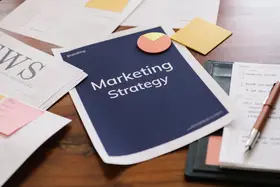
Marketing today goes far beyond simple advertisements or social media posts. With changing consumer behavior, emerging platforms, and evolving technology, businesses must understand the different types of marketing to create strategies that align with their brand, audience, and goals. By blending methods strategically, companies can achieve long-term growth, increased engagement, and stronger customer relationships.
Here’s a breakdown of the most effective marketing strategies businesses use today:
1. Digital Marketing
Digital marketing covers all online methods, including websites, email, social media, and search engines. It allows businesses to reach more customers at lower costs compared to traditional channels.
2. Content Marketing
Content marketing focuses on creating high-quality blogs, videos, guides, or infographics that inform and engage your audience. Rather than “pushing” a message, it builds trust and fosters long-term relationships.
3. Social Media Marketing
Using platforms like Facebook, LinkedIn, Instagram, and TikTok, businesses can engage customers, share updates, and shape brand perception. Social media also provides powerful targeting options for reaching the right audience.
4. Search Engine Optimization (SEO)
SEO improves your website’s ranking on search engines. Higher rankings increase organic traffic and allow you to reach people actively searching for your products or services.
5. Pay-Per-Click (PPC) Advertising
PPC campaigns place paid ads on search engines or social media, where you pay only when someone clicks. It’s a measurable way to drive targeted traffic quickly.
6. Influencer Marketing
Collaborate with industry influencers to showcase your products to their followers. This strategy works best when the influencer aligns with your brand values.
7. Affiliate Marketing
Partner with individuals or businesses who earn a commission for generating sales or leads. It’s performance-based, meaning you only pay for real results.
8. Email Marketing
Directly communicate with customers via newsletters, promotions, or updates. Email marketing is cost-effective and offers a high return on investment (ROI).
9. Event Marketing
Use exhibitions, webinars, or in-person events to create meaningful connections with your audience. Events allow for direct engagement and relationship building.
10. Guerrilla Marketing
Leverage creative, unconventional tactics like street art, flash mobs, or viral campaigns. Guerrilla marketing is great for creating buzz on a limited budget.
11. Outbound Marketing
Traditional marketing methods like TV commercials, print ads, and cold calling “push” your message to the audience. It’s still effective when combined with digital strategies.
12. Inbound Marketing
Inbound marketing pulls customers to you by solving their problems through content, SEO, and social media. Instead of chasing prospects, they find your brand naturally.
13. Video Marketing
Videos engage audiences more than other formats. Use them for storytelling, product demos, tutorials, or customer testimonials across platforms like YouTube, TikTok, or your website.
14. Public Relations (PR)
PR manages your brand’s reputation through media coverage, interviews, press releases, and community involvement. It builds credibility and trust over time.
15. Word-of-Mouth Marketing
Encourage satisfied customers to recommend your brand to others. Organic referrals are one of the strongest marketing methods, often amplified through excellent service or incentive programs.
Key Takeaways
There is no “one-size-fits-all” marketing approach.
Combining strategies like SEO, social media, content, and email marketing can maximize results.
Focus on trust, engagement, and audience needs, not just promotion.
Regularly measure and adapt strategies to achieve long-term growth.
By understanding and implementing these 15 marketing strategies, businesses can increase visibility, foster credibility, and build lasting relationships with their audience—ultimately driving sustainable success in today’s competitive market.
Frequently Asked Questions
1. Should I use all 15 marketing strategies?
No. Focus on strategies that align with your goals, audience, and budget. Quality and consistency matter more than quantity.
2. Which marketing strategies are best for small businesses?
Email marketing and content marketing usually offer the best return on limited budgets. Social media engagement is also highly cost-effective.
3. How can I measure marketing effectiveness?
Track metrics through tools like Google Analytics, social media insights, or campaign reports. Look at engagement, leads, conversions, and brand mentions.
4. What is the difference between inbound and outbound marketing?
Inbound marketing attracts customers through valuable content and problem-solving, while outbound marketing pushes promotions directly to people.
5. Is online marketing replacing traditional marketing?
Not entirely. Most businesses benefit from blending online and offline strategies for maximum reach and impact.
6. Can influencer or affiliate marketing work for all industries?
Yes, but it’s most effective when influencers or affiliates align with your brand values and target audience.
7. How often should I update my marketing strategies?
Continuously. Marketing trends, platforms, and consumer behaviors evolve. Regularly review and optimize your approach to stay relevant.
Ready to Get Started?
Let's discuss how we can help you achieve your goals