

Sales vs Digital Marketing: Why Collaboration Is Key for Business Growth
Sales and marketing often operate separately, but aligning them is essential for sustainable business growth. This guide explains the key differences between sales and marketing, why misalignment happens, and practical strategies businesses in Dubai can use to create a unified system that turns leads into consistent revenue.
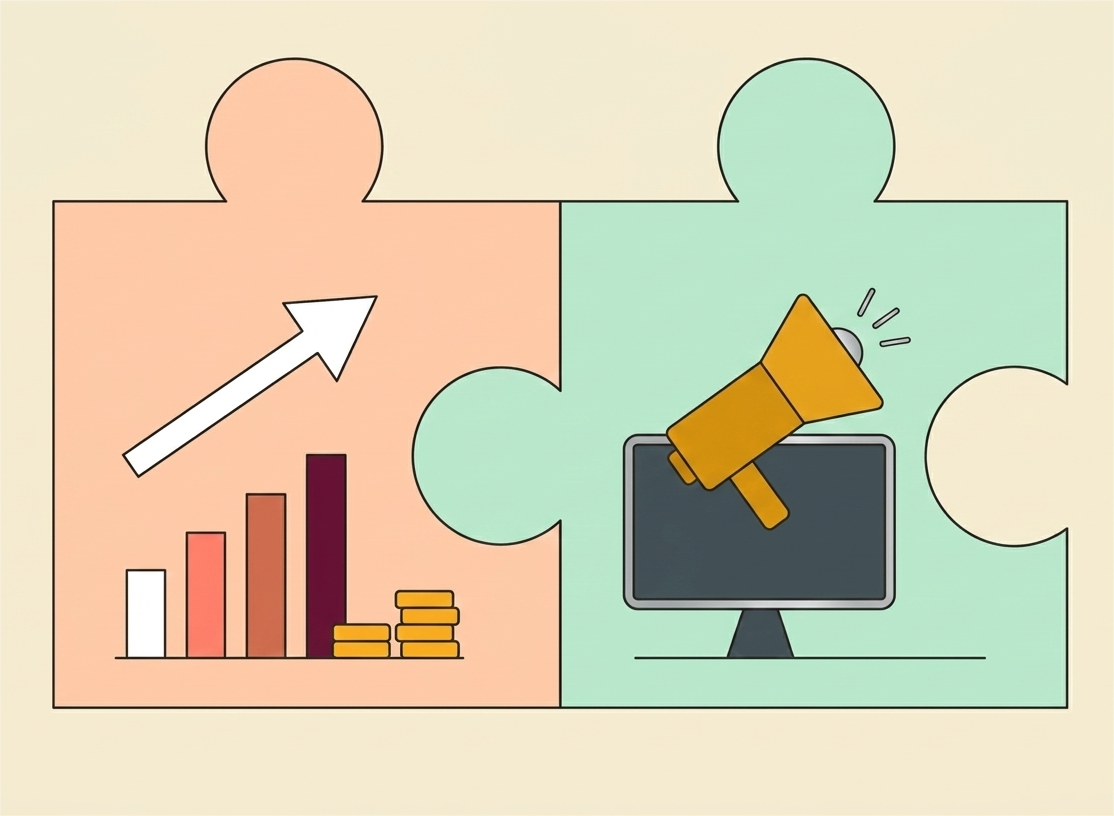
Sales and marketing are often described as “two sides of the same coin,” but in practice, they frequently operate in silos—using different tools, metrics, and timelines. For businesses working with a digital marketing agency in Dubai, leading an in-house team, or consulting as a digital strategist, aligning these functions is one of the most effective levers for growth.
Understanding the Roles: What Sales and Marketing Actually Do
At a high level:
Marketing creates demand – Builds brand awareness, communicates value, and nurtures leads until they are ready for sales.
Sales converts demand into revenue – Qualifies leads, handles objections, closes deals, and maintains long-term relationships.
Marketing focuses on:
Understanding target markets and ideal customer profiles
Running campaigns across search, social media, and email
Generating and nurturing qualified leads
Sales focuses on:
Mapping solutions to prospects’ needs
Managing objections and building confidence
Closing deals while protecting margins
Maintaining relationships for repeat business
Both teams aim for revenue growth, but they operate at different stages of the customer journey.
Where Sales and Marketing Often Diverge
Tension typically arises around planning, metrics, and priorities:

Misalignment can lead to complaints like:
Marketing: “We sent quality leads.”
Sales: “These leads aren’t ready.”
A digital marketing consultant in Dubai can bridge this gap, ensuring campaigns and sales processes are aligned.
Practical Ways to Align Sales and Marketing
Define a Shared Lead Profile
Agree on industries, company sizes, roles, and buyer intent triggers.
Create a lead scoring model recognized by both teams.
Build the Funnel Together
Map the customer journey from discovery to purchase collaboratively.
Include content, timing, and handoff points for sales involvement.
Integrate Tools and Reporting
Sync analytics, ad platforms, and CRM systems.
Track campaigns from first touch to closed deal to measure actual ROI.
Establish Feedback Loops
Use insights from sales calls to refine marketing campaigns.
Use campaign data to prioritize and qualify leads for sales.
Benefits of a Unified Sales and Marketing Approach
When both teams are aligned:
Customer experiences are seamless from first impression to contract signing.
Messaging is consistent, and expectations are clear.
Lead quality improves, and conversion rates increase.
Teams become accountable for shared revenue goals, not just individual metrics.
Blue Beetle’s Approach
Blue Beetle helps Dubai businesses create predictable growth engines by aligning digital marketing and sales. We support:
Shared strategy development
Integrated reporting systems
Collaboration frameworks between sales and marketing teams
By breaking silos and promoting transparency, businesses can convert marketing leads into real revenue more efficiently.
Frequently Asked Questions
Q1: What’s the main difference between sales and marketing?
A1: Marketing generates demand and nurtures leads, while sales converts qualified leads into revenue and maintains customer relationships.
Q2: Why do sales and marketing teams often misalign?
A2: Differences in planning horizons, goals, and metrics create tension. Marketing focuses on campaigns and engagement, while sales focuses on revenue and short-term targets
Q3: How can we define a “good lead” for both teams?
A3: Collaborate to create a lead scoring model that includes industry, company size, role, and buying intent. This ensures marketing delivers relevant leads and sales prioritizes effectively.
Q4: What tools help connect sales and marketing?
A4: CRM systems, analytics dashboards, and integrated ad platforms enable both teams to track leads, conversions, and revenue across campaigns.
Q5: Can alignment improve revenue without changing the team structure?
A5: Yes. Clear roles, shared definitions of success, regular feedback loops, and integrated tools can create a predictable growth engine without a full organizational overhaul.
Q6: How does Blue Beetle help businesses with alignment?
A6: We help Dubai businesses implement shared strategies, reporting systems, and collaboration frameworks that ensure marketing and sales work together efficiently, maximizing revenue potential.
Ready to Get Started?
Let's discuss how we can help you achieve your goals