Top 10 Website UI/UX Design Inspirations for 2026
A great website isn’t just about visual appeal; it’s about delivering a seamless digital experience that encourages users to explore, engage, and convert. In 2026, the most successful websites combine clear navigation, interactive design, and high performance to create meaningful user experiences. For businesses investing in professional website design, strong UI/UX design is now essential for improving engagement, search visibility, and conversion rates. At Agenoria, a digital marketing agency in Dubai, we analyze the world’s most innovative websites to understand what makes them effective. The following examples demonstrate how leading brands use modern UI/UX principles to create memorable digital experiences.
10 Website UI/UX Designs That Stand Out
1. Immersive Storytelling: Apple
Apple continues to lead digital design through story-driven scrolling experiences that highlight product innovation.
Key UI/UX lessons:
Smooth scrolling narratives guide users through product features
Subtle animations create engagement without overwhelming the user
Clean typography and spacing improve readability
Storytelling through design helps simplify complex product messaging and keeps users engaged throughout the journey.
2. Minimalist Commerce: Everlane
Everlane proves that minimalist design can drive stronger e-commerce performance.
UI/UX highlights:
Clean layouts and generous whitespace improve focus
Product-first design supports faster purchase decisions
Simplified navigation reduces friction in the checkout journey
For e-commerce website development, removing distractions can significantly improve conversions.
3. Bold Interactivity: Pitch
Pitch’s website uses bright colour palettes and interactive elements to create an engaging experience.
Design strategies:
Interactive cards reveal information through hover states
Strong visual hierarchy guides user attention
Micro-interactions create moments of delight
These small UI touches can dramatically improve user engagement and time on site.
4. Micro-Animation Excellence: Stripe
Stripe is widely recognised for using micro-animations to simplify complex services.
What makes it effective:
Animations demonstrate how products function
Motion provides visual guidance across the page
Subtle transitions make navigation feel intuitive
When used correctly, micro-animations support usability rather than distracting from it.
5. Modular Grid Design: Notion
Notion’s website mirrors the modular structure of its product, reinforcing brand consistency.
UX takeaways:
Bento-style grid layouts organise content clearly
Interactive previews show real product use cases
Modular design supports easy scalability
Consistency between product interface and website design strengthens brand identity.
6. Adaptive Dark Mode: Spotify
Spotify’s adaptive interface demonstrates how dynamic themes improve user experience.
UX benefits:
Automatic dark/light switching based on user environment
Strong colour contrast enhances accessibility
Consistent visual identity across devices
Adaptive design is quickly becoming a standard expectation in modern UX.
7. Local Storytelling: Visit Dubai
Visit Dubai blends cultural storytelling with global usability, making it an excellent tourism website example.
Key features:
High-quality imagery reflecting regional culture
Mobile-first design for international audiences
Clear navigation for travel planning
Combining local identity with global usability creates stronger engagement.
8. Immersive 3D Experience: IKEA Studio
IKEA Studio demonstrates how interactive 3D experiences enhance online shopping.
UX advantages:
Users can visualise products in realistic spaces
Interactive tools increase purchase confidence
Immersive environments encourage exploration
3D and augmented reality are transforming digital retail experiences.
9. Accessibility First: GOV.UK
GOV.UK is widely recognised as a benchmark for accessible website design.
Accessibility best practices include:
Strong colour contrast for readability
Simple navigation pathways for all users
Clear typography and layout structure
Accessibility improves usability for everyone and is essential for modern web design.
10. Editorial Storytelling: The New York Times
The New York Times digital experience shows how content-heavy websites can remain engaging and structured.
UX strengths:
Multimedia storytelling enhances long-form articles
Consistent layouts across devices
Smart visual hierarchy guides reader attention
For media-rich platforms, UX design ensures users remain engaged without feeling overwhelmed.
Key Website Design Trends in 2026
Across these leading websites, several important UI/UX design trends stand out:
Micro-interactions
Small animations, hover states, and transitions create intuitive feedback for users.
Scrollytelling
Narrative-driven scrolling keeps users engaged and improves information flow.
Performance-Driven Design
Fast loading times and SEO optimisation are now fundamental to user experience.
Mobile-First Development
Modern websites prioritise mobile usability before desktop layouts.
Accessibility and Inclusive Design
Designing for users of all abilities is both a best practice and a legal requirement in many regions.
Why UI/UX Design Matters for Businesses
For companies working with a website agency in Dubai, these examples highlight an important truth: great design is not just about aesthetics.
Effective UI/UX design helps businesses:
Improve website engagement
Increase conversion rates
Strengthen brand credibility
Improve search engine rankings
Deliver consistent experiences across devices
The most successful websites are built around real user needs, not internal assumptions.
Agenoria Approach to Website UI/UX
At Agenoria, we combine creative design thinking with technical precision to build high-performing websites.
Our approach includes:
User research and UX strategy
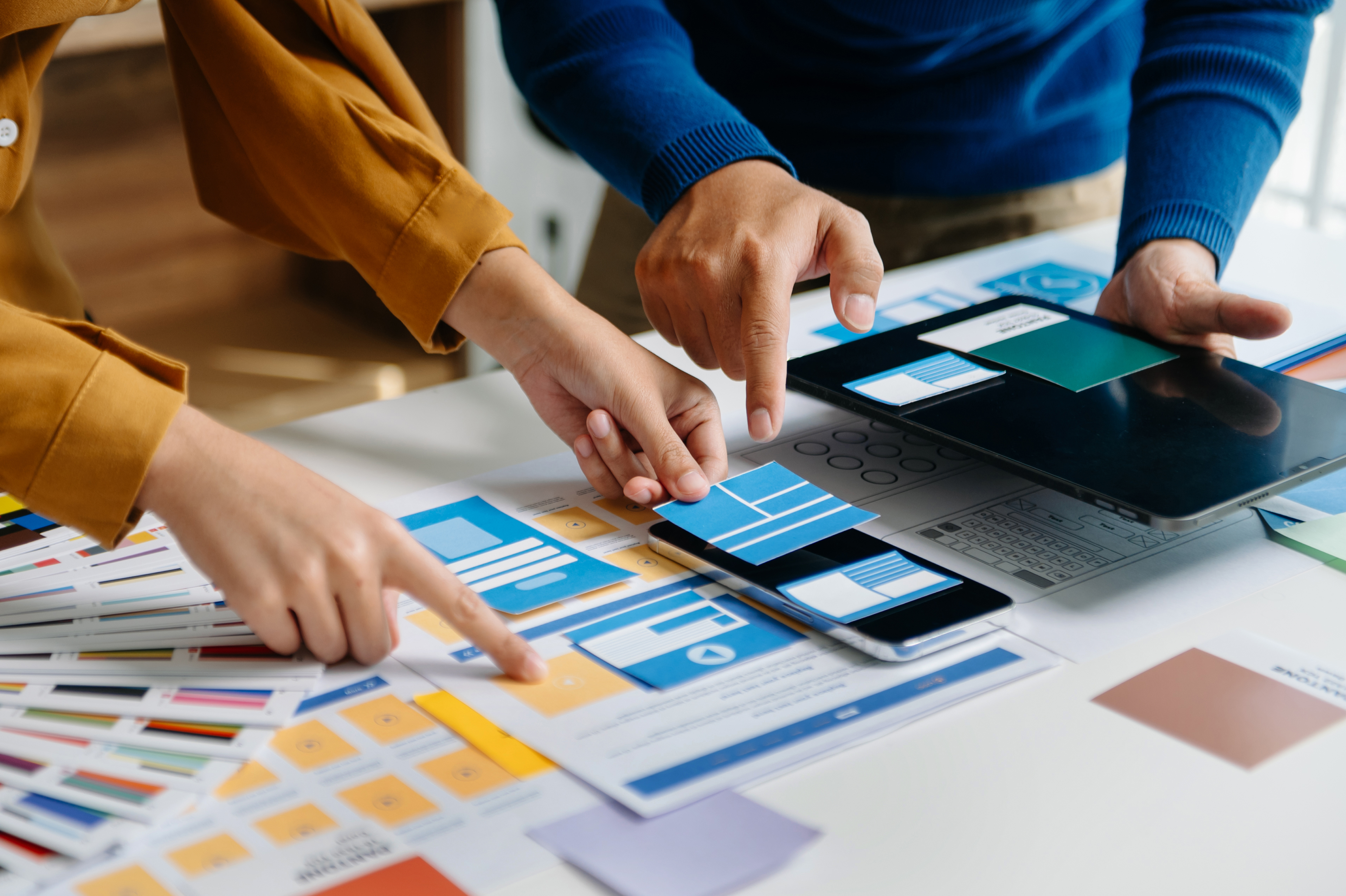
Wireframing and interactive prototyping
Conversion-focused design systems
Performance optimisation and SEO integration
As a leading digital marketing agency in Dubai, we draw inspiration from global best practices while ensuring every project reflects your brand identity and business goals.
The result is a website that not only looks exceptional but also drives measurable growth.
Turning Inspiration into Results
The websites featured above demonstrate how thoughtful design can transform digital experiences. When form and function work together, websites become powerful tools for engagement, storytelling, and conversion.
If your business is planning a new website or redesign, now is the perfect time to rethink how your digital experience serves your audience.
Blue Beetle can help turn inspiration into a website that builds trust, engages visitors, and supports long-term business growth.
Frequently Asked Questions
What is UI/UX design in web development?
UI (User Interface) design focuses on the visual elements of a website such as layout, colours, and typography, while UX (User Experience) design focuses on how users interact with the website. Together, they ensure a site is both visually appealing and easy to use.
Why is UI/UX important for business websites?
Strong UI/UX design improves usability, keeps visitors engaged, and helps guide them toward key actions such as making a purchase or submitting an enquiry.
What are the biggest web design trends in 2026?
Key trends include micro-interactions, immersive storytelling, mobile-first design, adaptive themes like dark mode, accessibility-focused layouts, and performance-driven development.
How does UI/UX design affect SEO?
Search engines favour websites that provide good user experiences. Fast loading speeds, mobile optimisation, clear navigation, and accessibility all contribute to improved search rankings.
How do I choose a web design agency in Dubai?
Look for agencies with strong UI/UX expertise, proven project portfolios, SEO knowledge, and a strategic approach to user experience and conversion optimisation.
Ready to Get Started?
Let's discuss how we can help you achieve your goals