

Website Design Trends 2026: Modern UX Strategies for UAE Businesses
Discover the top web design trends for UAE businesses in 2026. Learn how AI personalization, mobile-first design, AR/VR, and cultural relevance can improve UX and drive conversions.
The UAE’s digital landscape is evolving at lightning speed. By 2026, successful websites won’t just look good—they must be functional, inclusive, culturally relevant, and optimized for user engagement. From AI-driven personalization to immersive AR experiences, staying ahead of web design trends is key to competing in this tech-savvy market.
Here’s a practical guide to help Emirati businesses adapt to these emerging trends.
1. Hyper-Personalization with AI
Artificial intelligence (AI) enables websites to provide real-time personalized experiences by analyzing user behavior and preferences.
Example: An e-commerce store can suggest products based on browsing history, location, or past purchases, increasing engagement and conversion rates.
Tip: Use AI tools to personalize content, product recommendations, and marketing messages across your website.
2. Mobile-First and Adaptive Design

With most UAE users browsing via smartphones, a mobile-first design ensures your website loads quickly and is easy to navigate on smaller screens.
Tip: Implement responsive design techniques to deliver a seamless experience across all devices.
3. Dark Mode and Accessibility
Dark mode is growing in popularity, offering a modern look and reducing eye strain. Accessibility remains crucial, requiring high contrast, legible fonts, and adherence to WCAG standards.
Tip: Test your website’s dark mode to ensure readability and compliance with accessibility guidelines.
4. Hyper-Localization for Cultural Relevance
Websites in the UAE must be culturally tailored, not just translated. Supporting Arabic, local currencies, and cultural events builds trust and improves user engagement.
Tip: Collaborate with local experts to ensure your content resonates with the cultural nuances of your target audience.
5. Minimalist and Sustainable Design
Minimalist design emphasizes simplicity, clean lines, and visual clarity. Sustainable practices like optimized images and reduced server load improve performance and reduce environmental impact.
Tip: Adopt minimalist design principles and optimize website performance for a faster, eco-friendly experience.
6. Voice Search and Conversational Interfaces
Voice search and conversational interfaces like chatbots enhance accessibility and user engagement. AI-powered assistants can guide visitors and answer questions in real time.
Tip: Integrate voice search and chatbot functionality to streamline user interactions.
7. Immersive Experiences with AR/VR
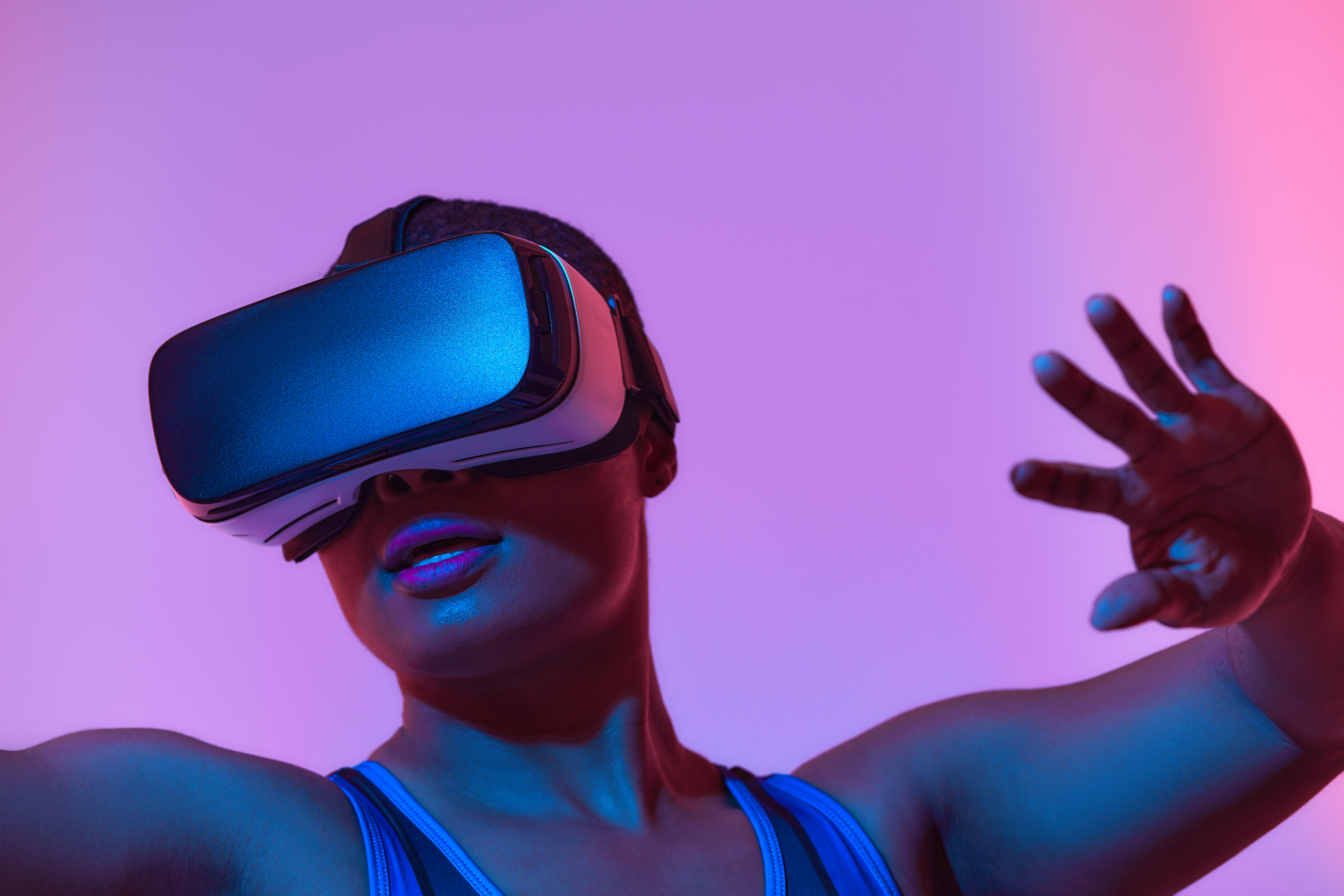
AR and VR technologies allow for interactive, immersive experiences. Examples include virtual product try-ons, 3D models, or interactive tours, which increase engagement and customer satisfaction.
Tip: Explore AR/VR tools to create engaging experiences that set your website apart.
8. Performance and Speed Optimization
A slow website leads to high bounce rates and lower rankings. Optimizing images, leveraging caching, and minifying code can dramatically improve load times.
Tip: Regularly monitor website performance and implement speed optimization techniques.
9. Ethical and Privacy-Focused Design
Users expect transparency and responsible handling of personal data. Privacy-focused design includes clear policies, consent management, and secure data storage.
Tip: Ensure your website complies with UAE and global data protection regulations and communicates privacy practices clearly.
Conclusion
Adopting these web design trends helps UAE businesses create websites that are visually appealing, user-friendly, and culturally relevant. From AI personalization to AR/VR, these innovations improve engagement, trust, and conversions.
Agenoria can help you implement these strategies, designing custom websites that align with your business goals and the latest web design trends.
📩 Contact Agenoria today to elevate your digital presence.
Frequently Asked Questions
Q1: Why is AI personalization important for web design?
AI personalization tailors user experiences based on behavior and preferences, increasing engagement, retention, and conversions.
Q2: What is hyper-localization in website design?
Hyper-localization involves adapting content, language, and visuals to reflect local culture, customs, and user preferences.
Q3: How does mobile-first design benefit users?
Mobile-first design ensures fast load times, smooth navigation, and optimal layout on smartphones, improving overall UX and search rankings.
Q4: Why should I consider AR/VR for my website?
AR/VR creates interactive, immersive experiences that boost user engagement, satisfaction, and brand differentiation.
Q5: What is ethical and privacy-focused design?
It’s designing websites that protect user data, comply with regulations, and clearly communicate privacy policies to build trust.
Q6: Are dark mode and minimalist design important for 2026?
Yes. Dark mode improves readability and comfort, while minimalist design simplifies navigation, reduces clutter, and enhances sustainability.
Ready to Get Started?
Let's discuss how we can help you achieve your goals