Why Modern Website Design in Dubai Is Essential for Your Business Growth
An outdated website design costs far more than a redesign. More than 38% of users leave a website immediately if it looks outdated, which directly impacts trust, lead generation, and online sales. That’s why leading brands redesign their websites every 2–3 years, aligning with new UI/UX trends, mobile behavior, and customer expectations. In this guide, we explore the top web design trends for 2026 and how businesses in Dubai and globally can stay competitive with modern website design.
Why Following Modern Web Design Trends Matters
Users form a first impression of your website in just 2.5 seconds, and it is almost entirely based on design.
Eye-tracking research shows that visitors look at:
The main visual
Logo and brand style
Navigation and headings
Text content (last)
A positive or negative perception can form in as little as 0.15 seconds.
An outdated design subconsciously signals:
The business is not growing
The brand is unreliable
The product or service is outdated
This is why professional website design and development services directly affect conversion rates and brand trust.
How to Create a Modern Website in 2026
Today, companies can launch websites using platforms like:
Tilda
Wix
Shopify
WordPress
These allow quick integration with:
CRM systems
Email marketing tools
Chatbots
Analytics platforms
However, templates alone do not create a competitive website — strategy, UX, and branding do.
Top Web Design Trends for 2026
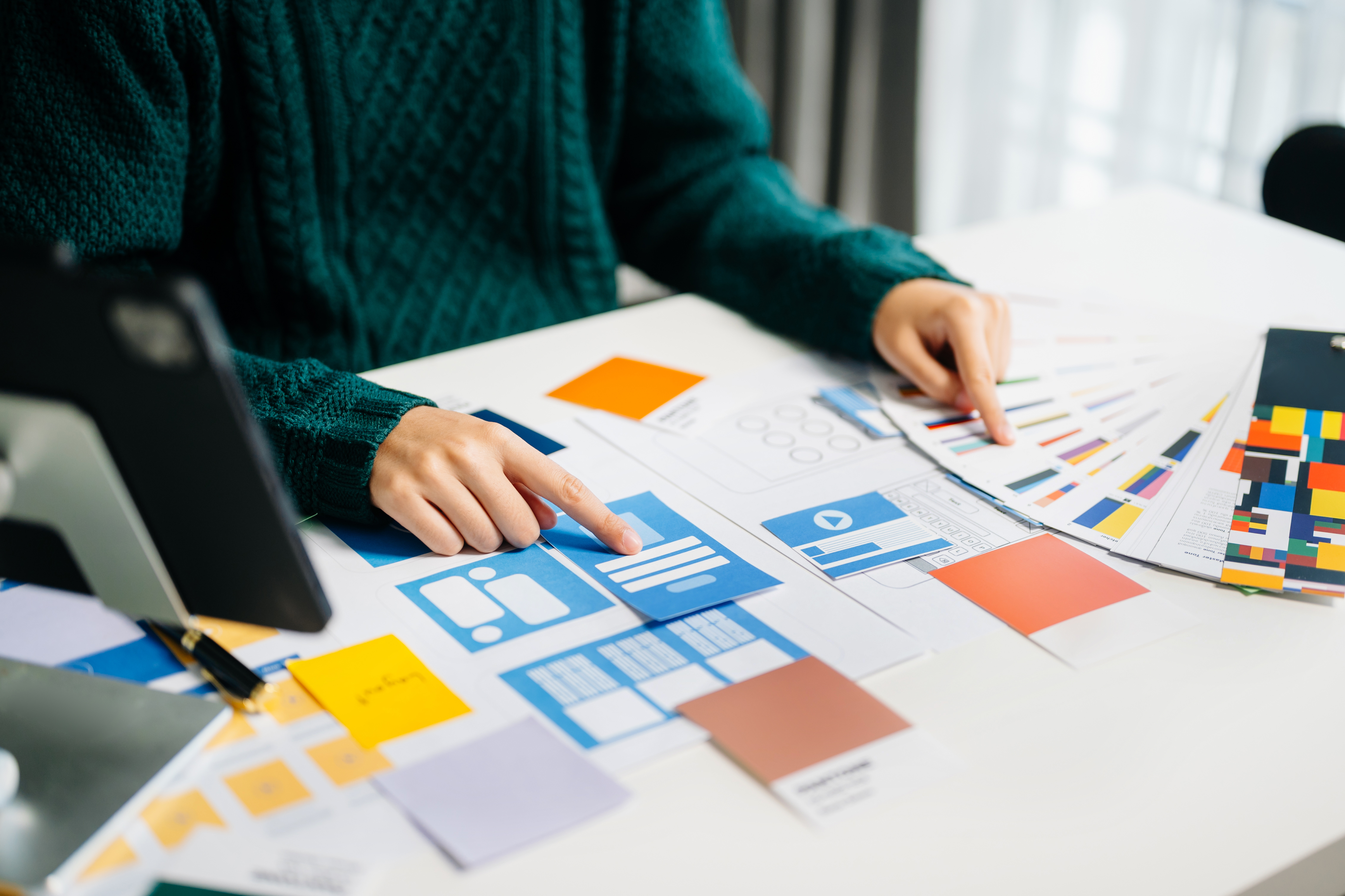
1. Functional Minimalism in UI/UX
Minimalist website design improves:
Page speed
Mobile usability
Conversion rates
Content clarity
Users prefer clean interfaces with clear navigation and fast access to information.
Minimalism is ideal for:
Corporate websites
eCommerce
SaaS platforms
2. Authentic Visual Content (Not Over-Generated AI Graphics)
Users increasingly value real, human-made visuals.
Authentic images and custom illustrations:
Build trust
Strengthen brand identity
Improve SEO credibility
AI remains useful for workflows, but unique design created by professionals performs better.
3. Kinetic Typography and Motion Design
Animated text helps:
Highlight key messages
Guide user attention
Improve engagement
It is especially effective for:
Landing pages
Product websites
Creative portfolios
4. Retro-Inspired Web Design
Retro web design stands out in a saturated market.
When executed correctly, it:
Creates emotional connection
Tells brand history
Differentiates visually
Modern technology + retro aesthetics = high-impact UX.
5. Dark Mode Website Design
Over 80% of users prefer dark mode because it:
Reduces eye strain
Saves battery
Looks premium
Offering both light and dark themes improves user experience and accessibility.
6. Parallax Scrolling for Immersive UX
Parallax scrolling creates:
Depth
Storytelling experience
High visual engagement
When optimized for performance, it significantly boosts time on site and conversions.
7. Asymmetrical Layouts and Broken Grid
Breaking traditional grids:
Captures attention
Creates a modern look
Improves content hierarchy
Used correctly, it keeps the interface functional but visually dynamic.
8. Inclusive and Accessible Web Design
Accessible websites reach a wider audience and improve SEO.
Best practices:
Contrast modes
Screen-reader compatibility
Zoom support up to 300%
Alt text for images
Inclusive design strengthens brand reputation and usability.
9. Micro-Animations for Better Interaction
Micro-animations:
Provide visual feedback
Improve navigation
Make UX more engaging
They are small details that significantly increase user satisfaction.
10. Data Visualization for Storytelling
Interactive data visualization helps:
Present achievements
Show company growth
Explain complex information
It turns static content into an engaging user experience.
Why Businesses in Dubai Should Invest in Website Redesign
In a highly competitive digital market like the UAE, a modern website:
Increases trust
Improves Google rankings
Boosts conversion rates
Strengthens brand positioning
A strategic redesign is not a cost — it is a growth investment.
Conclusion
Web design in 2026 is no longer just about aesthetics.
It is about:
User experience
Performance
Accessibility
Brand differentiation
Conversion optimization
Businesses that regularly update their websites gain a measurable competitive advantage.
FAQ: Web Design Trends & Website Redesign
How often should a website be redesigned?
Most businesses should redesign their website every 2–3 years to stay modern and competitive.
Does website design affect conversions?
Yes. A modern UI/UX improves trust, usability, and significantly increases conversion rates.
What is the most important web design trend in 2026?
Functional minimalism, mobile-first UX, accessibility, and performance optimization are the most important.
Is dark mode necessary for a modern website?
It is not mandatory, but it greatly improves user experience and engagement.
Can I use a website builder instead of custom development?
Yes, but for scalability, branding, and SEO, professional web design is recommended.
How does web design impact SEO?
Modern design improves page speed, mobile usability, accessibility, and behavioral factors — all of which influence rankings.
What is inclusive web design?
It ensures your website is accessible to users with visual, hearing, or physical impairments.
How much does web design cost in Dubai?
The cost depends on the complexity, functionality, and level of customization required.
Ready to Get Started?
Let's discuss how we can help you achieve your goals