Why Traditional Segmentation is Dead: Enter AI-Powered Personalization
Traditional audience segmentation is no longer enough in 2026. AI-powered personalization allows brands to deliver dynamic, hyper-targeted experiences by analyzing behavior, intent, and real-time data. This blog explores why conventional segmentation fails and how AI personalization drives higher engagement, conversions, and ROI.
For decades, marketers relied on traditional segmentation—grouping customers by age, gender, location, or income—to target campaigns. While this approach worked in a simpler era, today’s consumers demand personalized experiences that feel relevant in real time.
In 2026, static segments just don’t cut it. AI-powered personalization is the future. By leveraging artificial intelligence and predictive analytics, brands can understand individual preferences, anticipate behavior, and deliver experiences tailored to each customer.
The result? Higher engagement, increased conversions, and maximized ROI.
What is AI-Powered Personalization?
AI-powered personalization uses machine learning, behavioral analytics, and predictive models to dynamically tailor marketing content, offers, and recommendations for each individual user.
Unlike traditional segmentation, AI personalization considers:
Real-time browsing and engagement behavior
Purchase history and predictive intent
Emotional sentiment and preferences
Multi-channel interactions
This enables brands to serve the right message, at the right time, to the right person.
Why Traditional Segmentation is Failing
1. Static Groups Don’t Capture Real Behavior
Traditional segments assume that all users in a group behave the same way. AI personalization reveals individual differences, ensuring messaging resonates with each customer.
2. Limited Scalability
Manual segmentation becomes increasingly complex as data sources grow. AI can process massive datasets automatically, creating dynamic, evolving segments.
3. Poor Personalization
Generic messaging based on age or location is no longer effective. AI personalization delivers tailored content and offers, improving engagement and conversions.
4. Reactive Instead of Proactive
Traditional segmentation reacts to past behavior. AI-powered personalization predicts future actions, enabling marketers to anticipate customer needs.
How AI-Powered Personalization Works
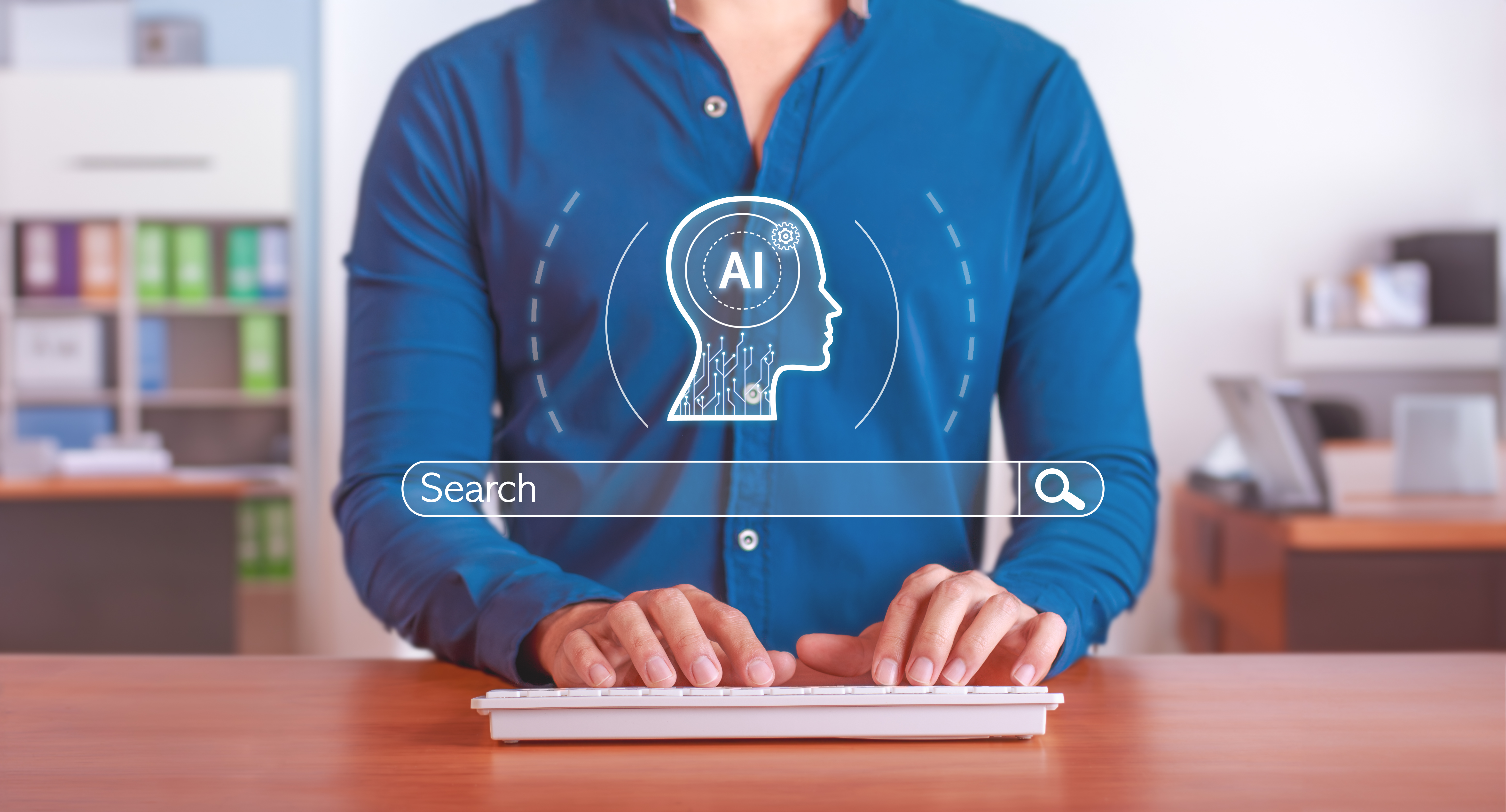
Step 1: Data Aggregation
AI collects data from websites, apps, social media, CRM systems, and transactional records.
Step 2: Behavioral Analysis
Machine learning identifies patterns in user behavior, interests, and engagement.
Step 3: Predictive Modeling
AI predicts what content, products, or offers are most likely to resonate with each individual.
Step 4: Dynamic Personalization
Users are shown tailored messages, recommendations, and campaigns in real time, across multiple channels.
Key Benefits for Businesses
Higher Engagement: Personalized experiences increase click-through rates and interactions.
Improved Conversions: Relevant messaging drives more purchases and actions.
Maximized ROI: Marketing budgets are focused on campaigns that deliver results.
Customer Loyalty: Tailored experiences build stronger relationships.
Scalable Automation: AI handles personalization across audiences and channels efficiently.
Real-World Applications
E-commerce: Personalized product recommendations and email campaigns
SaaS: Targeted onboarding messages and upsell offers
Finance: Tailored investment or loan offers based on predictive behavior
Healthcare: Customized patient engagement and communication
Challenges to Consider
Requires high-quality, integrated data sources
Ethical and privacy considerations must be addressed
AI models require ongoing monitoring and refinement
Human oversight is still critical for strategic decisions
The Future of Marketing Personalization
AI-powered personalization is shaping the next era of marketing:
Fully automated, real-time personalization across all touchpoints
Predictive recommendations based on behavior and sentiment
AI-assisted content creation tailored to individual preferences
Enhanced customer journeys leading to long-term loyalty
Brands that embrace AI personalization are not just reaching audiences—they are engaging them on a one-to-one level.
How Agenoria Can Help
At Agenoria, we help businesses transition from traditional segmentation to AI-powered personalization by:
Implementing intelligent personalization engines
Leveraging data to create dynamic customer experiences
Optimizing campaigns for higher engagement and ROI
Delivering actionable insights for long-term growth
We help you move beyond segmentation to true one-to-one marketing.
Frequently Asked Questions
1. What is AI-powered personalization?
It’s the use of artificial intelligence to deliver tailored marketing experiences to individual customers based on behavior, intent, and preferences.
2. How is it different from traditional segmentation?
Traditional segmentation groups users into static categories, while AI personalization dynamically adapts content to each individual in real time.
3. Does it improve conversions?
Yes. Personalized campaigns have higher engagement and conversion rates compared to generic, segmented messaging.
4. Can small businesses use AI personalization?
Absolutely. Scalable tools make AI personalization accessible to businesses of all sizes.
5. What data is required?
Data from websites, apps, social media, CRM, and transactions is used to build dynamic personalization models.
6. Is AI personalization compliant with privacy laws?
Yes, when implemented with consented, first-party data and proper privacy safeguards.